
Dr. Madhu M. Nashipudimath
PhD (CSE), M.E.
Head of Department – CSE (IoT & Cyber Security including Blockchain Technology) hod.iot@sigce.edu.in
As the Head of the CSE department specializing in IoT, Cyber Security, and Blockchain Technology, I warmly welcome you to a dynamic learning environment driven by innovation, critical thinking, and creativity. Guided by the belief that education trains the mind to think, our department emphasizes a strong blend of theoretical foundations and practical, industry-relevant skills.
Through hands-on projects, industry collaborations, industrial visits, and research opportunities, we prepare students to excel in a rapidly evolving technological landscape. Initiatives like the IOTech Club and our department magazine “Secure Synergy” further nurture innovation, teamwork, leadership, and technical expression.
With the growing impact of smart and secure technologies, the future of IoT and CSBC is highly promising. By choosing this department, students position themselves at the forefront of technological advancement. I wish our students a transformative academic journey and encourage our faculty and staff to continue inspiring excellence.
Your future in technology begins here.
Scope
The scope of Computer Science and Engineering (IoT & Cyber Security including Blockchain Technology) is vast, dynamic, and continuously expanding with rapid digital transformation across industries. This program equips students with interdisciplinary knowledge and practical skills to design, develop, secure, and manage intelligent and connected systems.
Graduates can pursue diverse career opportunities in areas such as Internet of Things (IoT) solutions, Cyber Security, Ethical Hacking, Digital Forensics, Blockchain development, Cloud Security, Smart Infrastructure, Industry 4.0, Artificial Intelligence integration, and Secure Embedded Systems. They are well-prepared for roles like IoT Engineer, Cyber Security Analyst, Blockchain Developer, Security Consultant, Network Security Engineer, Data Security Specialist, and Research Engineer.
The program also lays a strong foundation for higher studies, research, entrepreneurship, and innovation, enabling students to contribute to emerging technologies such as smart cities, healthcare IoT, fintech security, autonomous systems, and secure digital governance. With increasing global demand for secure and intelligent technologies, graduates of this program are positioned to thrive in both national and international career landscapes.
Vision of the College
To serve and have a transformative impact on society by constantly pursuing excellence in technical education, innovation and entrepreneurship for human development with strong ethical values.
Mission of the College
Serve and help transform society by graduating talented, broadly educated engineers, equipped with state of art technology resources for developing sustainable solutions.
Academic excellence in Science, Engineering and Technology through dedication to duty, commitment to research, innovation in learning and faith in human values.
Cultivate the spirit of entrepreneurship and the connection between academia and industry that fosters problem solving through collaboration
Enable the students to develop into outstanding professionals with high ethical standards capable of creating, developing and managing global engineering enterprises.
Vision of the Department
Cultivate the students with all-round competencies for career, higher education and self – employability in the field of IOT, Cybersecurity and Blockchain.
Mission of the Department
- To equip the students with strong fundamental concepts, analytical capability, and programming and problem-solving skills.
- Inculcate technical skill and soft skill for lifelong learning
- To improve department industry collaboration through interaction including participation in professional society activities, guest lecturers, industrial visit.
Program Outcomes (PO)
PO 1.Engineering Knowledge:
Apply the knowledge of mathematics, science, engineering fundamentals, and an engineering specialization to the solution of complex engineering problems.
PO 2. Problem Analysis:
Identify, formulate, review research literature, and analyze complex engineering problems reaching substantiated conclusions using first principles of mathematics, natural sciences, and engineering sciences.
PO 3.Design/Development of Solutions:
Design solutions for complex engineering problems and design system components or processes that meet the specified needs with appropriate consideration for the public health and safety, and the cultural, societal, and environmental considerations.
PO 4. Conduct Investigations of Complex Problems:
Use research-based knowledge and research methods including design of experiments, analysis and interpretation of data, and synthesis of the information to provide valid conclusions.
PO 5. Modern Tool Usage:
Create, select, and apply appropriate techniques, resources, and modern engineering and IT tools including prediction and modeling to complex engineering activities with an understanding of the limitations.
PO 6. The Engineer and Society:
Apply reasoning informed by the contextual knowledge to assess societal, health, safety, legal and cultural issues and the consequent responsibilities relevant to the professional engineering practice.
PO 7. Environment and Sustainability:
Understand the impact of the professional engineering solutions in societal and environmental contexts, and demonstrate the knowledge of, and need for sustainable development.
PO 8.Ethics:
Apply ethical principles and commit to professional ethics and responsibilities and norms of the engineering practice.
PO 9. Individual and Team Work:
Function effectively as an individual, and as a member or leader in diverse teams, and in multidisciplinary settings.
PO 10. Communication:
Communicate effectively on complex engineering activities with the engineering community and with society at large, such as, being able to comprehend and write effective reports and design documentation, make effective presentations, and give and receive clear instructions.
PO 11. Project Management and Finance:
Demonstrate knowledge and understanding of the engineering and management principles and apply these to one’s own work, as a member and leader in a team, to manage projects and in multidisciplinary environments.
PO 12. Life-long Learning:
Recognize the need for, and have the preparation and ability to engage in independent and life-long learning in the broadest context of technological change.
Program Specific Outcome (PSO)
PSO1: Ability to analyze, design and develop applications by adopting the dynamic nature of Software developments
PSO2: Ability to use knowledge in Artificial Intelligence and Machine Learning to solve real world problems and identify the research gaps and render solutions with innovative ideas.
Teaching Faculty
HoD, Professor
M.E.
Non-Teaching Staff
Board of Studies
Roles and Responsibilities
BOS:
Composition of BOS: Link
| SN | Name of Person | Designation in the Committee |
| 1 | Dr. Madhu Nashipudi | Chairman |
| 2 | Prof. Umakant Gohatre | Member |
| 3 | Prof. Aasha Kantekar | Member |
| 4 | Prof. Sarita Bopalkar | Member |
| 5 | Prof. Smita Wadekar | Member |
| 6 | Prof. Nirosha Uppu | Member |
| 7 | Prof. Archana Khelurkar | Member |
| 9 | Dr. Sangeeta Chaudhari | Expert |
| 10 | Dr. Sharmila Shinde | Expert |
| 11 | Dr. Rajesh Kadu | Expert |
| 12 | Dr. Vishram Kunte | Expert |
| 13 | Mr. Yash Hulgerimath | Expert |
| 14 | Dr. Satish Varma | Expert |
| 15 | Dr. Archana Shirke | Expert |
Term: The term of the nominated members shall be for three years.
Meetings: The BOS shall meet once or twice a year.
Functions: The BOS of a Department is responsible to:
- Prepare syllabi for various courses keeping in view the objectives of the college, interest of the stakeholders and national requirement for consideration and approval of the Academic Council;
- Review and update syllabi from time to time and to introduce new courses of study.
- Suggest methodologies for innovative teaching and evaluation techniques;
- Suggest panel of names to the Academic Council for appointment of examiners; and Coordinate research, teaching, extension and other academic activities in the department/college.
Composition: Link
Department Advisory Board (DAB)
| Sr. No. | Name | Post |
| 1 | Dr. Madhu Nashipudi | ChairPerson |
| 2 | Mr. Rajendra Gawali | Professional Body Member |
| 3 | Dr. Savita Sangam | External Academician |
| 4 | Dr. Nitin Jain | External Academician |
| 5 | Mr. Harish Ramanathan | Industry Expert |
| 6 | Mr. Sagar Kulkarni | Industry Expert |
| 7 | Mr. Vikas Sawant | Parent Representative |
| 8 | Mr. Vinod Khare | Parent Representative |
| 9 | Yash Hulgerimath | Alumini Represntative |
| 10 | Minal Thombare | Alumini Represntative |
| 11 | Vaishnavi Lahoti | Student Representative TE IoT |
| 12 | Shantanu Hande | Student Representative TE IoT |
| 13 | Mrs Aasha Kantekar | Staff Member |
| 14 | Mrs. Smita Wadekar | Staff Member |
Roles and Responsibilities
The Department Advisory Board (DAB) in an engineering college is a key body providing strategic direction, bridging the industry-academia gap, and ensuring compliance with Outcome Based Education (OBE) standards. Comprising internal faculty and external stakeholders (industry experts, alumni, academicians), the DAB typically meets biannually to review curriculum, PEOs/POs, and department progress.
Key Roles and Responsibilities
- Vision/Mission Approval: Define and approve the department's vision, mission, and Program Educational Objectives (PEOs).
- Curriculum Enrichment: Recommend improvements in the curriculum to meet industry requirements and bridge program-level gaps.
- OBE Implementation: Formulate guidelines for the attainment of Program Outcomes (POs) and Program Specific Outcomes (PSOs).
- Strategic Guidance: Monitor the progress of the program and provide advice on research, consultancy, and entrepreneurship initiatives.
- Stakeholder Feedback: Analyze feedback from students, faculty, and employers to improve teaching-learning processes.
Composition of the DAB
- Chairperson: Head of the Department (HOD).
- Internal Members: Senior faculty members (Module/Program Coordinators).
- External Members: Industry representatives, academicians from reputed institutes, and R&D professionals.
- Other Members: Alumni and parents
Rules and Regulations
- Frequency: Mandatory biannual meetings are held, typically before the commencement of the academic year.
- Term: Members are usually appointed for a fixed tenure (e.g., 1–2 years) to ensure a fresh perspective.
- Minutes of Meeting (MoM): Detailed minutes must be recorded, approved, and action taken reports (ATR) filed for previous suggestions.
- Functioning: Acts as an advisory body, providing strategic advice rather than formal governance, as described by IMD.
Operational Guidelines
- Evaluation: Evaluates the attainment of PEOs and POs.
- Support: Helps the department develop policies that provide direction to staff and students.
- Advisory Role: Provides recommendations to the Board of Studies (BOS) for curriculum updates
Composition
Program Assessment and Quality Improvement Committee (PAQIC)
Roles and Responsibilities
PAQIC:
| Sr. No. | Name | Post |
| 1 | Dr. Madhu Nashipudi | Chairman |
| 2 | Prof. Aasha Kantekar | Program Coordinator |
| 3 | Dr. Umakant Gohatre | Member |
| 4 | Prof. Sarita Bopalkar | Member |
| 5 | Prof. Smita Wadekar | Member |
Composition of PAQIC Department of CSE (IOT Cybersecurity including Blockchain
- Chairman: Dr. Madhu Nashipudi, HoD CSE(IOTCSBT).
- Convener: Prof. Aasha Kantekar, Program Coordinator.
- Members:
- Dr. Umakant Gohatre
- Prof. Sarita Bopalkar
- Prof. Smita Wadekar
Roles and Responsibilities:
- Academic Calendar: Overseeing the preparation and adherence to the department’s academic calendar.
- Course Allocation: Assign courses to faculty based on expertise.
- Syllabus Coverage: Regularly monitoring the progress of syllabus completion and ensuring it aligns with the planned schedule.
- Attendance: Maintaining the monthly attendance record of the students.
- CO-PO Mapping: Verifying the mapping of Course Outcomes (COs) to Program Outcomes (POs) and Program Specific Outcomes (PSOs).
- Attainment Calculation: Computing and analyzing the attainment levels of POs and PSOs at the end of each semester.
- Question Paper Quality: Reviewing internal exam question papers to ensure they follow Bloom’s Taxonomy and cover the prescribed Course Outcomes.
- Rubrics Finalization: Setting standard rubrics for evaluating projects, seminars, and laboratory work.
- Mentoring System: Overseeing the student mentoring process and identifying "slow learners" who need remedial classes.
- FDP Promotion: Encouraging faculty participation in Faculty Development Programs (FDPs) or research activities.
- Resource Management: Reviewing the requirements for laboratory equipment, software, and library resources to support the program
Composition
Other Committees
| Sr.No | Name of Portfolio | Name of Faculty | Responsibilities |
| 1 | Head of the Department | Dr. Madhu Nashipudimath. | |
| 2 | Autonomy Coordinator | Prof. Aasha Kantekar | Plan, schedule, and coordinate BoS meetings, including agenda preparation and circulation.
Document minutes of meetings, resolutions, and recommendations, and maintain official records. Track implementation of decisions and prepare action-taken reports for submission to academic authorities. |
| Academic Coordinator | Planning and Monitoring Academic activities – Academic Calendar Execution monitoring.
Academic Audit Workload / Subjects Allotments Documentation Academic Calendar |
||
| Dept. End Sem Exam Coordinator | Coordination of End Sem Exam Timetables
Question Paper Verification, Question Paper submission to the Exam Section, Exam Bills |
||
| Network Security Lab (405) Lab Incharge | Coordination of Laboratory Requirements and Purchasing
Updating and Reviews of Logbooks Stock Verifications and Record updating Equipment Testing and Maintenance Equipment Calibrations Preparations/ Updating Data for Accreditation purpose Lab Charts / Timetables / Lab Manuals Records Keeping |
||
| PAQIC Coordinator | Review of Faculties Course Files, Quality Improvement initiatives and review.
Annual Budget |
||
| NBA Criterion 4 | Student Related Data | ||
| NAAC Criterion 4 | Student Related Data | ||
| Student Chapter Association | CSI membership and activities. | ||
| 3 | Coordinator for MOOC/NPTEL/spoken tutorials | Prof. Sarita Bopalkar | Coordinator for MOOC/NPTEL/spoken tutorials |
| Major Project Coordinator(BE) | Project Groups Formation, Project Approval Process, Guide Allocations. Project Progress Review presentations coordination. Nominations of Innovative Projects for States/National Level Competitions Arranging Project exhibition / Competitions. | ||
| IOT Automation Lab ( 407)Lab Incharge | Coordination of Laboratory Requirements and Purchasing
Updating and Reviews of Logbooks Stock Verifications and Record updating Equipment Testing and Maintenance Equipment Calibrations Preparations/ Updating Data for Accreditation purpose Lab Charts / Timetables / Lab Manuals Records Keeping |
||
| NBA Criterion 1, 3 | Curricular Aspects, Research innovation and extentions | ||
| NAAC Criterion 3 | Curricular Aspects, Research innovation and extentions | ||
| Dept. Alumni Incharge | Alumni Database Coordination for Alumni Meetings Ensuring Alumni Engagement & Record Keeping | ||
| BE Class CC | Coordination for Class activities / Industrial visits
/PTM |
||
| IOTech Club Coordinator | Coordination with students for activities/ Report
preparations |
||
| Timetable Incharge | All time tables – Class, Lab, Faculty, Lab Utilization | ||
| 4 | NAAC/AQAR Coordinator | Prof. Smita Wadekar | NAAC/NBA Documentation Coordination |
| NBA Criterion 2 | Collecting / Preparation of Data Required for
AICTE/ University Affiliations & LIC |
||
| NAAC Criterion 2 | Teaching Learning and evaluation | ||
| NBA Coordinator | NAAC/NBA Documentation Coordination | ||
| Dept. R&D Incharge and Consultancy | Promotion & Guidance of Research and developments activities & Record Keeping
Arranging Workshops/seminars /Webinars Consultancy Work |
||
| Dept. Exam UT/Practical/OR/TW/TUT) Coordinator | Coordination of Internal Assessments Timetables
and Exam Conductions , Coordination of Pract/Oral Exam Timetables and Exams, Exam Bills |
||
| SE Class CC | Coordination for Class activities / Industrial visits
/PTM |
||
| Disciplinary Action / Grievance Cell | Addressing Students / Staff Grievances
Measures to maintain Discipline Disciplinary Actions& Record Keeping |
||
| DAB Coordinator | Plan, schedule, and coordinate DAB meetings, including agenda preparation and circulation.
Document minutes of meetings, resolutions, and recommendations, and maintain official records. Track implementation of decisions and prepare action-taken reports for submission to academic authorities. |
||
| Department Lab Audit In-charge | Plan and conduct regular audits of all departmental laboratories to ensure compliance with academic, safety, and accreditation norms. Prepare and submit lab audit reports, coordinate corrective actions, and ensure timely follow-up for continuous improvement. | ||
| DBMS Lab (406) Lab Incharge | Coordination of Laboratory Requirements and Purchasing
Updating and Reviews of Logbooks Stock Verifications and Record updating Equipment Testing and Maintenance Equipment Calibrations Preparations/ Updating Data for Accreditation purpose Lab Charts / Timetables / Lab Manuals Records Keeping |
||
| 5 | Dept. Store/Purchase/Maintenance Incharge | Dr. Umakant Gohatre | Maintenance of Equipment and Infrastructure, Requirement Compilation and Purchase Monitoring, Regular Lab Audits |
| Dept. Website/Media Coordinator | Data on website. | ||
| NBA Criterion 5 | Student support and progression | ||
| NAAC Criterion 7 | Institution values and best practices | ||
| Dept. Discipline Committee I/C | Addressing Students / Staff Grievances
Measures to maintain Discipline Disciplinary Actions& Record Keeping |
||
| Industry Visit -Incharge | Arranging industrial visits for the benefit of
students. |
||
| Entrepreneurship Development Cell / IIC | Promoting Entrepreneurship Development /Startup Activities, Arranging Seminar / Workshop hands on | ||
| Digital circuit and COA Lab (404) Lab | Coordination of Laboratory Requirements and Purchasing
Updating and Reviews of Logbooks Stock Verifications and Record updating Equipment Testing and Maintenance Equipment Calibrations Preparations/ Updating Data for Accreditation purpose Lab Charts / Timetables / Lab Manuals Records Keeping |
||
| 6 | TE Class CC | Prof. Archana Khelurkar | Coordination for Class activities / Industrial visits
/PTM |
| Dept. T&P Incharge | Coordination of Students Placement Training
Program & Internships, Coordination of Students placement Activities,Maintaining Records |
||
| VAC coordinator | Plan, coordinate, and conduct STTPs and value-added programs in line with departmental and institutional objectives./ Handle scheduling, resource coordination, speaker/industry expert interaction, and smooth execution of programs./ Maintain documentation, attendance, feedback, and submit reports to the department/institute as required. | ||
| NBA Criterion 7 | Institution values and best practices | ||
| NAAC Criterion 3 | Curricular Aspects, Research innovation and extentions | ||
| Dept. Magazine Coordinator | Departments Annual Magazines | ||
| All MOMs | All department MOMs | ||
| Programming Lab (403) Coordinator | Coordination of Laboratory Requirements and Purchasing
Updating and Reviews of Logbooks Stock Verifications and Record updating Equipment Testing and Maintenance Equipment Calibrations Preparations/ Updating Data for Accreditation purpose Lab Charts / Timetables / Lab Manuals Records Keeping |
||
| 7 | PTM Coordinator | Prof. Mohini Thite | Plan, schedule, and coordinate Parent– Teacher Meetings (PTMs) to ensure effective interaction between parents and faculty.
Compile attendance, feedback, and minutes, and submit PTM reports with action points to the department. |
| Mentor-Mentee Incharge | Mentors Allocatio, Mentoring Policies, Scheduling Meetings & Record | ||
| Dept. Newsletter Coordinator | Departments Newsletter | ||
| Dept. Library I/C | Books updation& Usage Record Keeping / Quality Initiatives Documentations/Outreach Activities Records Preparations and Coordination’s of Library books records predations and updating | ||
| All Feedback | Plan, collect, and analyze structured feedback from students, alumni, parents, and employers for continuous improvement.
Prepare feedback reports, share actionable insights with the department, and support implementation and documentation of corrective actions. |
||
| Mini Project Coordinator(TE) | Project Groups Formation, Project Approval Process, Guide Allocations. Project Progress Review presentations coordination. Nominations of Innovative Projects for States/National Level Competitions Arranging Project exhibition / Competitions. | ||
| NBA Criterion 6* | Governance leadership and management | ||
| NAAC Criterion 6* | Governance leadership and management | ||
| 8 | Digital circuit and COA Lab (404) Lab | Prof. Asma Sheikh | Coordination of Laboratory Requirements and Purchasing
Updating and Reviews of Logbooks Stock Verifications and Record updating Equipment Testing and Maintenance Equipment Calibrations Preparations/ Updating Data for Accreditation purpose Lab Charts / Timetables / Lab Manuals Records Keeping |
| NBA Criterion 5 | Faculty Information and Contributions | ||
| NAAC Criterion 7 | Continuous Improvement | ||
| NBA Criterion 8 | Student Support Systems | ||
| NAAC Criterion 5 | Faculty Information and Contributions | ||
| Mini Project Coordinator(SE) | Project Groups Formation, Project Approval Process, Guide Allocations. Project Progress Review presentations coordination. Nominations of Innovative Projects for States/National Level Competitions Arranging Project exhibition / Competitions. | ||
| Exam/Result related work | Exam Results | ||
| 9 | Network Security Lab (405) Lab Incharge | Prof. Junaid Shaikh | Coordination of Laboratory Requirements and Purchasing
Updating and Reviews of Logbooks Stock Verifications and Record updating Equipment Testing and Maintenance Equipment Calibrations Preparations/ Updating Data for Accreditation purpose Lab Charts / Timetables / Lab Manuals Records Keeping |
| Industry Visit Incharge | Industry Visit Incharge Coordination, Documentation | ||
| NBA Criterion 4 | Student Related Data | ||
| NAAC Criterion 4 | Student Related Data | ||
| Dept. Display Board/Posters Follow up | Dept. Display Board/Posters Follow up | ||
| Stock Register/Log Book | Stock Register/Log Book Updation | ||
| 10 | Infrastructure Maintenance | Mrs. Varsha Borole | Infrastructure Maintenance |
| Equipment Maintenance | Equipment Maintenance | ||
| Dept. Exam related Work | Dept. Exam related Work | ||
| Dept.Result Entry | Dept.Result Entry | ||
| IT infra-- | IT infra-- | ||
| Departmental Activity Assistance-- | Departmental Activity Assistance-- | ||
| Stakeholder Analysis | Stakeholder Analysis | ||
| Google Form Creation | Google Form Creation | ||
| 11 | Attendance management | Mr. Tejas Thakur | Attendance management |
| Movable stock record | Movable stock record | ||
| Dept. Exam related Work | Dept. Exam related Work | ||
| Departmental Activity Assistance | Departmental Activity Assistance | ||
| Dept.Result Entry | Dept.Result Entry | ||
| Stock Register | Stock Register | ||
| Lab documents | Lab documents |
Second Year
| SN | SEM III | SEM IV |
|---|---|---|
| 1 | Engineering Mathematics – III | Engineering Mathematics – IV |
| 2 | Discrete Structure and Graph Theory | Analysis of Algorithm |
| 3 | Data Structure | Database Management System |
| 4 | Digital Logic and Computer Architecture | Operating System |
| 5 | Computer Graphics | Microprocessor |
| 6 | Mini Project 1A | Mini Project 1B |
Third Year
| SN | SEM V | SEM VI |
|---|---|---|
| 1 | Theoretical Computer Science | IoT Architecture and Protocols |
| 2 | Software Engineering | RFID and Microcontrollers |
| 3 | Computer Network | Wireless Sensor Technologies |
| 4 | Data Warehousing &Mining | Web X.0 |
| 5 | IoTDLO5011:Probabilistic Graphical Models
IoTDLO5012:Internet Programming IoTDLO5013:Advance Database Management System |
CSDLO6011 :Enterprise Network Design
CSDLO6012: Blockchain Technology CSDLO6013: Interfacing Programming with IoT Gateway & Middleware Technologies CSDLO6014:Cloud Computing & Services |
| 6 | Mini Project 2A | Mini Project 2B |
Final Year
| Sr.N. | SEM VII | SEM VIII |
|---|---|---|
| 1 | Machine Learning & Blockchain | “NFT & DeFi (Decentralized Finance)” |
| 2 | Edge / Fog Computing | Capstone Lab |
| 3 | ML & BC Lab | IoT Automation Lab |
| 4 | Edge / Fog Computing Lab | Major Project II |
| 5 | DevSecOps Lab | IoTCSBCDO802X Department Optional Course –6 |
| 6 | Open-Source Intelligence (OSINT) Lab | IoTCSBCDO8021 IoT for Smart Grids |
| 7 | Major Project I | IoTCSBCDO8022 Metaverse |
| 8 | Department Optional Course –3 | IoTCSBCDO8023 Green IT |
| 9 | Advance Cloud Computing Security | IoTCSBCDO8024 Cyber Security laws & legal accepts |
| 10 | Software Testing & Quality Assurance (STQA) | Institute Optional Course – 2 ( Common for all branches will be notified ) |
| 11 | IoT for Smart Cities | ILO8011 Project Management |
| 12 | Supervisory Control and Data acquisition (SCADA) Security | ILO8012 Finance Management |
| 13 | Department Optional Course –4 | ILO8013 Entrepreneurship Development and Management |
| 14 | IoTCSBCDO7021 DESIGN A BLOCKCHAIN APPLICATION ARCHITECTURE | ILO8014 Human Resource Management |
| 15 | IoTCSBCDO7022 Usability & Security in UID | ILO8015 Professional Ethics and CSR |
| 16 | IoTCSBCDO7023 Enterprise IoT Cyber Security | ILO8016 Research Methodology |
| 17 | IoTCSBCDO7024 Software Engineering & Testing Methodology for IoT | ILO8017 IPR and Patenting |
| 18 | Institute Optional Course – 1 ( Common for all branches will be notified ) | ILO8018 Digital Business Management |
| 19 | ILO7011 Product Lifecycle Management | ILO8019 Environmental Management |
| 20 | ILO7012 Reliability Engineering | |
| 21 | ILO7013 Management Information System | |
| 22 | ILO7014 Design of Experiments | |
| 23 | ILO7015 Operation Research | |
| 24 | ILO7016 Cyber Security and Laws | |
| 25 | ILO7017 Disaster Management and Mitigation Measures | |
| 26 | ILO7018 Energy Audit and Management | |
| 27 | ILO8019 Environmental Management |
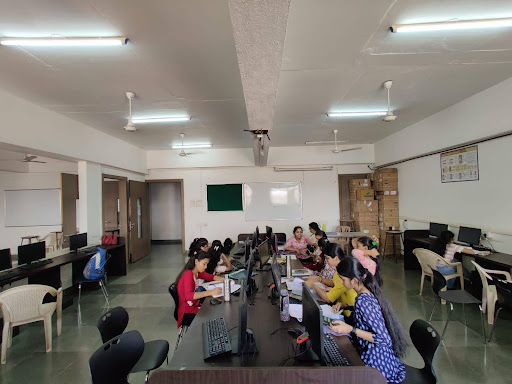
Lab 1 Programming Lab No 403
Overview
Location: Lab Number 403
Area of Laboratory: 70 Sq. feet
Laboratory Incharge: Prof. Archana Khelurkar
Laboratory Equipment:
Hardware: PC- i5 ( 12400 2.50 GHz, 16 GB DDR-IV RAM, 512GB SSD, WiFi Card, E20-30 LENOVO Monitor)
Software/ Operating System: JAVA, C++, VS Code, Node JS, Android Studio, Python,
Tinkercad / Windows 11 Pro, Ubuntu 20
Utilization of Laboratory: SE, TE, BE
Prof. Archana Khelurkar Dr. Madhu Nashipudimath
Lab Incharge HoD IoTCSBC
Pictures
Lab 2 Digital Circuit and COA 404
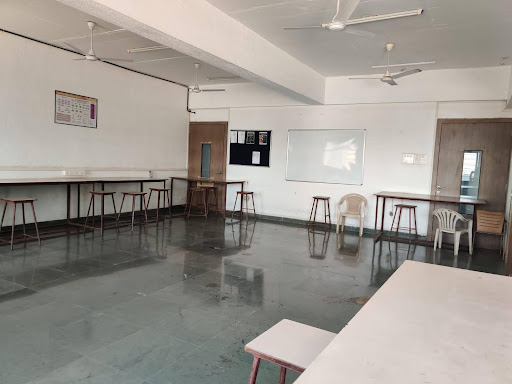
Overview
Location: Lab Number 404
Area of Laboratory: 70 Sq.feet
Laboratory In charge: Dr Umakant Goahtre
Laboratory Equipment:
Hardware: DLCOA Kits
Software/ Operating System:
Utilization of Laboratory: SE, TE, BE
Dr. Umakant Gohatre
Lab Incharge
Pictures
Lab 3 Network Security Lab 405
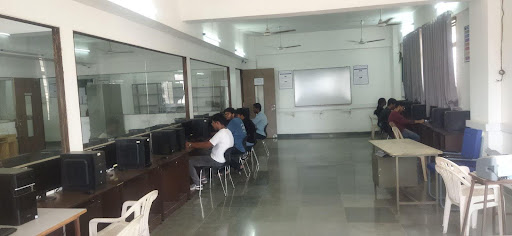
Overview
Location: Lab Number 405
Area of Laboratory: 66 Sq.feet
Laboratory Incharge: Prof. Kantekar Aasha
Laboratory Equipment:
Hardware: PC- i5( 2.9 GHz, 1TB HDD, 8GB DDR IV RAM )
PC- i3( 300 GB HDD, 4 GB DDR IV RAM)
PC- Dual core, 250 GB Sata, IV GB DDR III RAM)
Software/ Operating System: JAVA, JDK C++, VS Code, Python, Ubuntu 20
Utilization of Laboratory: SE, TE, BE
Prof. Aasha Kantekar (Lab Incharge)
Pictures
Lab 4 Database Management Lab 406
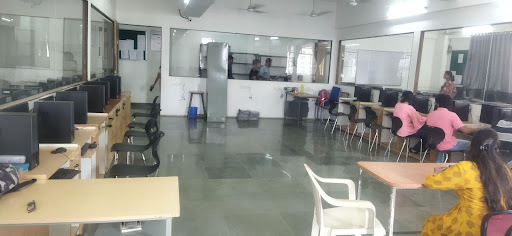
Overview
Location: Lab Number 406
Area of Laboratory: 66 Sq.feet
Laboratory Incharge: Prof. Smita Wadekar
Laboratory Equipment:
Hardware: PC- i5 ( 12400 2.50 GHz, 16 GB DDR-IV RAM, 512GB SSD, WiFi Card, E20-30 LENOVO Monitor)
Software/ Operating System: JAVA, C++, VS Code, Android Studio, Python,
Solidarity, Cisco Packet Tracer, 8086 Emulator, MySql / Windows 11 Pro / Ubuntu 20
Utilization of Laboratory: SE, TE, BE
Prof. Smita Wadekar (Lab Incharge)
Pictures
Lab 5 IoT Automation Lab No 407
Overview
Location: Lab Number 407
Area of Laboratory: 78 Sq.feet
Laboratory Incharge: Prof. Sarita Bopalkar
Laboratory Equipment:
Hardware: PC- i3 ( 10105 3.70 GHz, 8 GB DDR-IV RAM, 512GB M.2, TLC SSD,
HP TFT Monitor)
Software/ Operating System: JAVA, C++, VS Code, Android Studio, Python, AWS IoT, Blink, Thing Speak, Arduino IDE / Ubuntu 20
Utilization of Laboratory: SE, TE, BE
Prof.Sarita Bopalkar (Lab Incharge)
Pictures
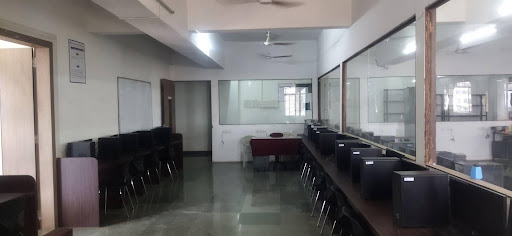
| Department CSE IOT CSBC Calendar | ||
| SR No | Academic Year | Link |
| 1 | 2024-25 | |
| 2 | 2025-26 | Academic Calender 2025-26.pdf |
| Sr.No. | Date of Event | Name of Event | Link |
|---|---|---|---|
| 1 | 09-10-2025 | Orientation on Autonomous Exam | Click Here |
| 2 | 20-09-2025 & 27-09-2025 | Devops with Kubernetes | Click Here |
| 3 | 23-9-2025 | Guru Talk - From Campus to Corporate: Bridging Engineering and Industry | Click Here |
| 4 | 15-9-2025 | Engineers Day celebration: Poster presentation compitityion | Click Here |
| 5 | 12-9-2025 | Guru Talk: workshop on Innovative Approaches to Data analysis using Jamovi | Click Here |
| 6 | 9-9-2025 | Tech Ranagan 2K25 : Technical quiz | Click Here |
| 7 | 31-7-2025 | IOTECH Inauguration Event 25-26 | Click Here |
| 8 | 7-7-2025 | Alumini Talk : Skill Development Session | Click Here |
| 9 | 10-03-2025 | Python Bootcamp | Click Here |
| 10 | 24-02-2025 | Ethical Hacking and Network Security | Click Here |
| 11 | 10-02-2025 | Classroom to Industry: IOT skills for real world impact | Click Here |
| 12 | 6-02-2025 | Exploring the emerging technologies | Click Here |
| 13 | 17-01-2025 | Smowcode-a new coding language for IOT | Click Here |
| 14 | 13-01-2025 | NPTEL/MOOC orientation | Click Here |
| 15 | 11-01-2025 | Unity | Click Here |
| 16 | 06-01-2025 | Induction/ Orientation(SE/ TE/BE) | Click Here |
| 17 | 15-10-2024 | Students Day | Click Here |
| 18 | 11-10-2024 | Social Activity- A visit to Parisar Sakhi Office | Click Here |
| 19 | 07-10-2024 | Gandhi Jayanti | Click Here |
| 20 | 30-09-2024 | Expert Talk on Web Mining | Click Here |
| 21 | 25-09-2024 | Industrial Visit to RCP | Click Here |
| 22 | 19-09-2024 | Parents Teacher Meet | Click Here |
| 23 | 06-09-2024 | Teachers' Day Celebration 2024 | Click Here |
| 24 | 29-08-2024 | Quiz Competition on OOPS | Click Here |
| 25 | 26-08-2024 | Git Together" (Git and GitHub) | Click Here |
| 26 | 15-08-2024 | Poster competition of IoT and CSBC Dept | Click Here |
| 27 | 15-07-2024 | National Engineer’s Day Event | Click Here |
| 28 | 26-07-2024 | Workshop on "Hands on Workshop on Tinker- cad" | Click Here |
| Department CSE IOT CSBC Events and Activities
Academic Year 2024-25 |
|||
| Sr. No. | Date of Activity | Name of Event | Link |
| 1 | 16/12/2024 | Value Added Program on IoT data Analysis and Visulization | link |
| 2 | 26.07.24 | Hands on Workshop on Tinker- cad | Link |
| 3 | 15.08.24 | Poster competition of IoT and CSBC Dept | Link |
| 4 | 26.08.24 | Git Together" (Git and GitHub) | Link |
| 5 | 29.08.24 | Tech Ranagan :- Technical quiz Competition | Link |
| 6 | 06.09.24 | Teachers' Day Celebration 2024 | Link |
| 7 | 15.09.24 | National Engineer’s Day Event | Link |
| 8 | 19.09.24 | Parents Teacher Meet | |
| 9 | 25.09.24 | Industrial Visit to RCP | Link |
| 10 | 30.09.24 | Expert Talk on Web Mining | Link |
| 11 | 07.10.24 | Gandhi Jayanti | Link |
| 12 | 11.10.24 | Social Activity- A visit to Parisar Sakhi Office | Link |
| 13 | 15.10.24 | Students Day | Link |
| 15 | 11.01.2025 | GAME DEVELOPMENT WITH UNITY | link |
| 16 | 13.01.2025 | NPTEL/MOOC orientation | Link |
| 17 | 17.01.2025 | Smowcode-a new coding language for IOT | Link |
| 18 | 06.02.2025 | Exploring the emerging technologies | Link |
| 19 | 10.02.2025 | Classroom to Industry: IOT skills for real world impact | link |
| 20 | 24.02.2025 | Ethical Hacking and Network Security | Link |
| 21 | 10.03.2025 | Python Bootcamp | Link |
| 22 | 14.03.2025 | PTM | Link |
| 23 | 27.03.2025 | Network Security using the tool, Nmap | Link |
| Department CSE IOT CSBC Events and Activities
Academic Year 2025-26 |
|||
| Sr. No. | Date of Activity | Name of Event | Link |
| 1 | 20/09/2025 & 27/09/2025 | Devops with Kubernetes | Link |
| 2 | 31/7/25 | IOTECH Inauguration Event 25-26 | Link |
| 3 | 07/07/2025 | Alumini Talk : Skill Development Session | Link |
| 4 | 09/09/2025 | Tech Ranagan 2K25 : Technical quiz | Link |
| 5 | 12/9/25 | Guru Talk: workshop on Innovative Approaches to Data analysis using Jamovi | Link |
| 6 | 15/9/2025 | Engineers Day celebration: Poster presentation compitityion | Link |
| 7 | 23/9/2025 | Guru Talk - From Campus to Corporate: Bridging Engineering and Industry | Link |
| 8 | 09/10/2025 | Orientation on Autonomous Exam | Link |
Department Clubs
| Name of Club | Status | Club Information Doc |
|---|---|---|
| IOT Club | Active | View Club Info |
Newsletter
| Sr No | Academic Year | Link |
|---|---|---|
| 1 | 2025-26 | IoT INSIGHTS Issue 2 |
| 2 | 2025-26 | IoT INSIGHTS Issue 1 |
Magazines
| Sr No | Academic Year | Link |
|---|---|---|
| 1 | 2023-24 | Secure Synergy Volume I |
| 2 | 2024-25 | Secure Synergy Volume II |
Academic Year 2025-26
| Sr | Subject | Date | Link |
|---|---|---|---|
| 1 | Oral/ Practical schedule notice | 9/10/2025 | Link |
| 2 | Term Work file submission schedule notice | 6/10/2025 | Link |
| 3 | Unit Test I notice | 25/09/2025 | Link |
| 4 | CuberFrat Student Chapter Launch notice | 1/09/2025 | Link |
| 5 | IV notice | 12/08/2025 | Link |
| 6 | LR, CR, DCR election notice | 21/07/2025 | Link |
| 7 | Oral practical exam even sem notice | 7/04/2025 | Link |
| 8 | Unit Test II notice | 4/04/2025 | Link |
| 9 | Major project notice | 1/04/2025 | Link |
| 10 | Elective selection notice | 1/04/2025 | Link |
| 11 | Unit test shedule for kt exam notice | 11/03/2025 | Link |
| 12 | Unit test shedule for carry on students notice | 11/03/2025 | Link |
| 13 | Unit Test-1 even notice | 11/02/2025 | Link |
| 14 | KT exam Oct 2024 notice | 15/10/2024 | Link |
| 15 | Training and Internship notice | 12/08/2024 | Link |
Name of Company / Institution : QuasTech Solution Pvt Ltd, Thane
- Overview of Collaboration: Industrial Visit, Software Testing Area
- Events: Industrial Visit
- MoU Link
Contact Information
Email Id: hod.iot@sigce.edu.in
Mobile No.
General Inquiry
Email Id: hod.iot@sigce.edu.in
Mobile No.
Google Form Link
Feedback and Grievances
Google Form Link: