Head of Department
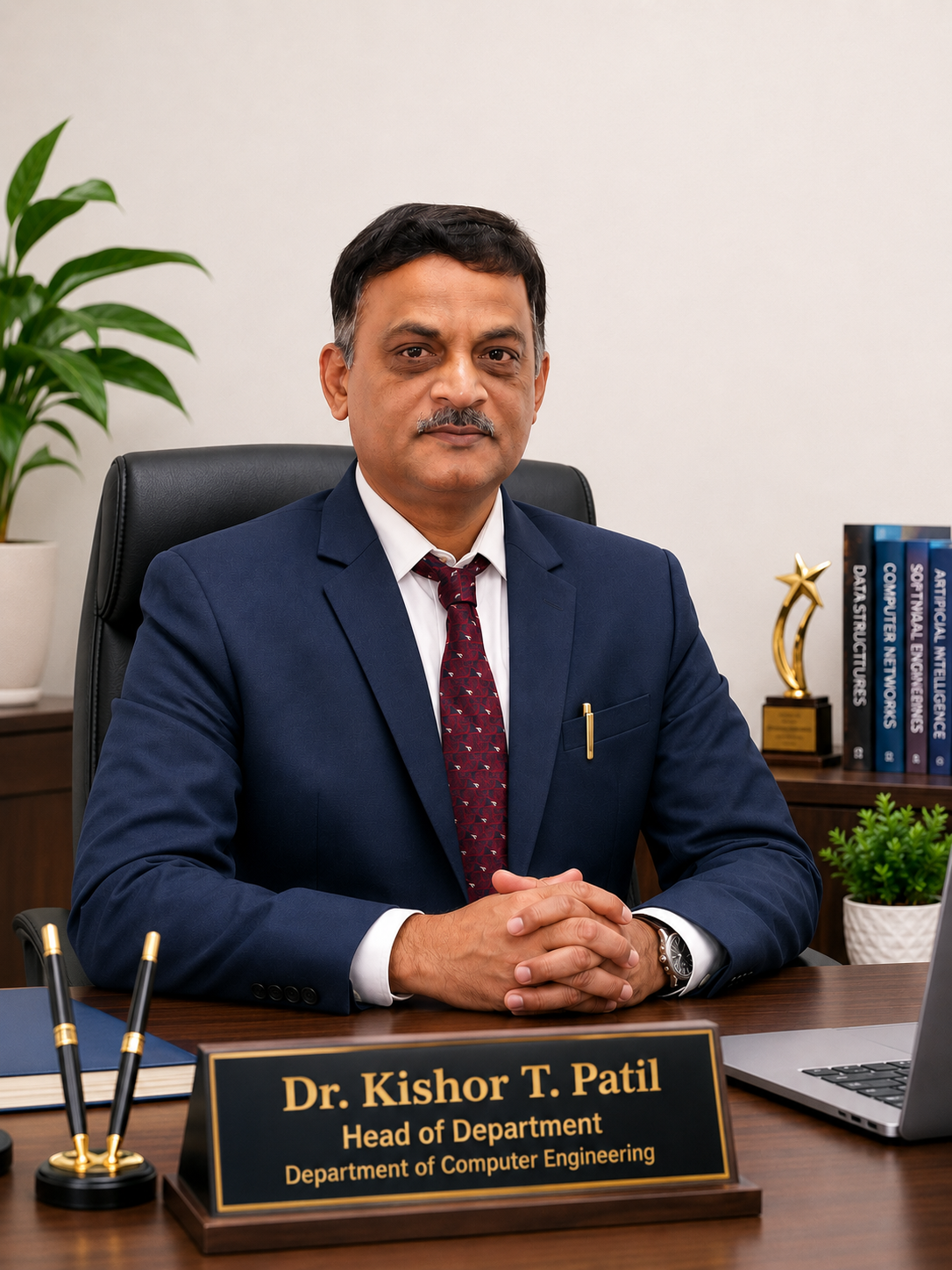
Dr. K T. Patil serves as the Head of the Department of Computer Engineering, bringing extensive academic, research, and administrative experience. He is dedicated to fostering excellence in engineering education and creating an environment that promotes innovation, research, professional ethics, and lifelong learning.
Under his leadership, the department has continuously strengthened its academic standards, industry collaborations, research activities, and student development initiatives. He actively encourages faculty and students to engage in emerging technologies, interdisciplinary projects, entrepreneurship, start-up initiatives, and community-oriented activities, preparing them to meet the challenges of the rapidly evolving technological landscape.
In addition to his role as Head of Department, Dr. Patil serves as an IQAC Member, Chairman of the Program Assessment and Quality Improvement Committee (PAQIC), Chairman of the Board of Studies (BoS) in Computer Engineering, Convener of the Institution’s Innovation Council (IIC), Head of Entrepreneurship and Incubation Activities, and Head of the MSME Host Institution (HI) Centre. Through these leadership roles, he actively contributes to academic excellence, quality assurance, innovation, entrepreneurship development, incubation support, and institutional growth.
Message From HOD
Computer Engineering is one of the most dynamic and in-demand engineering disciplines, offering diverse career opportunities in software development, artificial intelligence, data science, cyber security, cloud computing, networking, and emerging technologies. It equips students with problem-solving, programming, and innovation skills that are essential in today’s digital world, providing excellent prospects for higher studies, entrepreneurship, research, and global employment.
Our department is committed to academic excellence, innovation, research, and holistic student development. We take pride in our excellent academic results, strong placement record, and recognition as the Best Department for four consecutive years. Supported by dedicated faculty, modern laboratories, and a separate department floor, we provide a vibrant learning environment for our students.
The autonomous curriculum is regularly updated to meet industry requirements, and every semester we organize Value Added Programs, industrial visits, expert sessions, and skill-development activities. Students are encouraged to pursue NPTEL certifications, internships, research projects, sports, co-curricular activities, entrepreneurship, start-ups, and innovation funding projects.
Through our active R&D Cell, strong mentoring system, regular Parent-Teacher Meetings, and monthly student feedback mechanism, we ensure continuous guidance and support for the academic and professional growth of every student.
We strive to nurture competent, innovative, and socially responsible engineers who are prepared to excel in their careers and contribute meaningfully to society.
About the Department
The Department of Computer Engineering is one of the institute’s pioneering departments, established in 1993. With an approved intake of 120 students, the department is dedicated to developing competent, innovative, and industry-ready computer engineers through quality education, research, industry interaction, and holistic student development.
The department provides a vibrant learning environment supported by experienced faculty members, state-of-the-art laboratories, active technical clubs, and a strong culture of innovation. As an autonomous institution, the Computer Engineering Board of Studies (BoS) periodically reviews and updates the curriculum to incorporate emerging technologies, industry requirements, and global best practices. This ensures that students acquire the technical knowledge, practical skills, and professional competencies needed to excel in the rapidly evolving field of computing and information technology.
Department Highlights
- Established in 1993 with a legacy of academic excellence.
- Granted Autonomous Status from the Academic Year 2025–26, enabling curriculum flexibility, innovation in teaching-learning, and outcome-based education.
- Approved intake of 120 students.
- Experienced and highly qualified faculty members with expertise in emerging areas of Computer Engineering.
- Well-equipped laboratories with modern computing infrastructure and advanced software tools.
- Industry-aligned curriculum, regularly updated by the Board of Studies (BoS) to meet rapidly evolving technological and industry requirements.
- Active technical clubs, coding communities, and innovation-driven student activities.
- Regular industry expert sessions, workshops, hackathons, coding competitions, technical events, and industrial interactions.
- Comprehensive student mentoring, career guidance, and skill development programs.
- Strong emphasis on research, innovation, product development, and project-based learning.
- Strong placement record, with students consistently securing rewarding career opportunities in leading national and multinational organizations through industry-aligned training, technical excellence, and dedicated placement support.
- Strong focus on entrepreneurship, innovation, and startup culture through incubation and innovation initiatives.
- Two student teams from the Computer Engineering Department recently secured MSME Idea Hackathon funding worth ₹22 Lakhs for innovative idea development and prototyping, reflecting the department’s commitment to nurturing future entrepreneurs and innovators.
- Recipient of the Best Department Award for four consecutive years, recognizing excellence in academics, research, student achievements, innovation activities, and overall departmental performance.
- Focus on holistic student development through leadership, teamwork, communication skills, professional ethics, and social responsibility.
- Excellent Academic Results in the range of 98-100%
Vision of the College
To serve and have a transformative impact on society by constantly pursuing excellence in technical education, innovation, and entrepreneurship for human development with strong ethical values.
Mission of the College
- Serve and help transform society by graduating talented, broadly educated engineers, equipped with state-of-the-art technology resources for developing sustainable solutions
- Academic excellence in Science, Engineering and Technology through dedication to duty, commitment to research, innovation in learning and faith in human values.
- Cultivate the spirit of entrepreneurship and the connection between academia and industry that fosters problem solving through collaboration.
- Enable the students to develop into outstanding professionals with high ethical standards capable of creating, developing and managing global engineering enterprises.
Vision of the Department
To be recognized in the industry and society as an excellent center of education in the field of computer engineering.
Mission of the Department
- To provide an encouraging environment for teaching learning process.
- To empower Computer engineering Knowledge of the students to meet the needs of industry and society.
- To build overall personality of the student through Technical, Social and holistic activities.
Program Outcomes (PO)
PO1. Engineering knowledge: Apply the knowledge of mathematics, science, engineering fundamentals, and an engineering specialization to the solution of complex engineering problems.
PO2. Problem analysis: Identify, formulate, review research literature, and analyze complex engineering problems reaching substantiated conclusions using first principles of mathematics, natural sciences, and engineering sciences.
PO3. Design/development of solutions: Design solutions for complex engineering problems and design system components or processes that meet the specified needs with appropriate consideration for the public health and safety, and the cultural, societal, and environmental considerations.
PO4. Conduct investigations of complex problems: Use research-based knowledge and research methods including design of experiments, analysis and interpretation of data, and synthesis of the information to provide valid conclusions.
PO5. Modern tool usage: Create, select, and apply appropriate techniques, resources, and modern engineering and IT tools including prediction and modeling to complex engineering activities with an understanding of the limitations.
PO6: The engineer and society: Apply reasoning informed by the contextual knowledge to assess societal, health, safety, legal and cultural issues and the consequent responsibilities relevant to the professional engineering practice.
PO7. Environment and sustainability: Understand the impact of the professional engineering solutions in societal and environmental contexts, and demonstrate the knowledge of, and need for sustainable development.
PO8. Ethics: Apply ethical principles and commit to professional ethics and responsibilities and norms of the engineering practice.
PO9. Individual and teamwork: Function effectively as an individual, and as a member or leader in diverse teams, and in multidisciplinary settings.
PO10. Communication: Communicate effectively on complex engineering activities with the engineering community and with society at large, such as, being able to comprehend and write effective reports and design documentation, make effective presentations, and give and receive clear instructions.
PO11. Project management and finance: Demonstrate knowledge and understanding of the engineering and management principles and apply these to one’s own work, as a member and leader in a team, to manage projects and in multidisciplinary environments.
PO12. Life-long learning: Recognize the need for and have the preparation and ability to engage in independent and life-long learning in the broadest context of technological change.
Program Specific Outcome (PSO)
- To apply the principles of mathematics, data structure and algorithm to solve the problem.
- To understand the functionality of hardware and software computer system and its application
Teaching Faculty
Non-Teaching Faculty
B.Sc (CS), ITI (COPA)
B.Sc(IT)
As per the Guidelines of UGC for formation of Committees of autonomous college, BOARD OF STUDIES-COMPUTER ENGG. DEPT has been constituted at Smt. Indira Gandhi College of Engineering, Navi Mumbai from the Academic Year 2025-26 onward as mentioned below.
| SN | CATEGORY | Committee Designation | Name of Member | Organization /Place |
|---|---|---|---|---|
| 1 | HOD
|
HOD -Chairperson | Dr. Kishor T. Patil | SIGCE |
| 2 | All faculty members in the Dept
|
Faculty Member | Dr. Shankar M. Patil | SIGCE |
| Faculty Member | Prof. Dipti C. Chandran | SIGCE | ||
| Faculty Member | Prof. Satish Kuchiwale | SIGCE | ||
| Faculty Member | MS. JADHAV REVTI | SIGCE | ||
| Faculty Member | MRS. VAISHALI YEOLE | SIGCE | ||
| Faculty Member | MS. JASPRIT KAUR | SIGCE | ||
| Faculty Member | MR. SELVAMURGAN KASI | SIGCE | ||
| Faculty Member | Ms. SHAGUFTA KHANUM | SIGCE | ||
| 3 | Two subject experts from outside the parent University
|
Subject Expert | Dr. Vijaykumar S. Bidve,
9552500740 |
Professor, School of CSIT, Symbiosis Skills and Professional University, Kiwale, Pune. |
| Subject Expert | Dr. Jyoti Deone
9167913737 |
DY Patil University, Nerul | ||
| 4 | One expert to be nominated by the Vice-Chancellor from a panel of six recommended by the college principal
|
University Nominee | Dr. KalbandeDhananjay
9820383928 |
Professor and Head, CSE Bharatiya Vidya Bhavan's Sardar Patel Institute of Technology. Andheri West Mumbai-58SPCE |
| 5 | One representative from industry/corporate sector/allied area relating to placement.
|
Industry | Mr. Parag Ghumare
parag.ghumare@netweavertech.in 9867404472 |
Founder and CEO, NetWeaver Technovations Pvt. Ltd. |
| 6 | One postgraduate meritorious alumnus to be nominated by the principal. | PG Alumnus | Mr. Sandeep Wagh
+1(732)688-2816
|
Vice President, AMAGI MEDIA LAB, New York |
| 7 | Experts from outside the Autonomous College, whenever special courses of studies are to be formulated, to be nominated by the principal | Subject Expert | Dr. Nandini Naag
nandini.nag@ltce.in 9820453854 |
HoD, Data Science. LTCE |
Board of Studies (BoS) – Roles and Responsibilities
- Frame, review, and update the curriculum and syllabus as per industry and academic requirements.
- Ensure proper alignment of COs, POs, and PSOs in the program.
- Suggest new courses, electives, and value-added programs based on emerging technologies.
- Maintain academic quality by improving teaching–learning and evaluation methods.
- Recommend curriculum changes and academic matters to the Academic Council for approval.
Department Advisory Board (DAB)
(Period: A.Y. 2025- 26)
| Sr. No. | Name | Occupation / Designation | Committee Position | Contact Information |
|---|---|---|---|---|
| 1 | Dr. K. T. Patil | HOD, Computer Engineering, SIGCOE | Chairman | kishor.patil@sigce.edu.in 9029421041 |
| 2 | Prof. Deepti Chandran | A.P., SIGCOE | Member (Faculty) | dipti.chandran@sigce.edu.in 9967226574 |
| 3 | Prof. Jaspreet Kaur | A.P., SIGCOE | Member (Faculty) | jaspreet.kaur@sigce.edu.in 9820479947 |
| 4 | Prof. Satish Kuchiwale | A.P., SIGCOE | Member (Faculty) | satish.kuchiwale@sigce.edu.in 8691838444 |
| 5 | Dr. Susanta Kumar Satpathy | Professor, Vignan Foundation for Science Technology and Research | Member (Academician) | drsks_cse@vignan.ac.in 9179087666 |
| 6 | Dr. Rahul Pachade | Director, Polytechnic Education | Member (Academician) | rahulpachade24@gmail.com 7276074980 |
| 7 | Mr. Sharad Kulat | Associate Professor, Shah and Anchor College, Chembur | Member (Industry) | kulat.sharat@gmail.com 9867736607 |
| 8 | Mr. Ravi Kumar | Associate Vice President, SBI Life, Seawoods | Member (Industry/Alumni) | 7710015081 ravik@cdslindia.com |
| 9 | Mr. Parag Ghumare | Asst. Vice President - IT/SOC Operations, CDSL | Member (Alumni) | parag.ghumare@netweavertech.in 9867404472 |
| 10 | Mr. Mukesh Sharma | Chairman & MD, Netweaver Technovations Pvt. Ltd. | Member (Parent, Alumni & Industry Expert) | mukesharma1976@gmail.com 9867007644 |
| 11 | Zatam Muiz Zahoor Ahmed | SIGCOE, B.E. Computer Engineering (A.Y. 2025-26) | Member (Current Student) | 2022ce31f@sigce.edu.in 9322545690 |
| 12 | Sayali Bhanage | SIGCOE, T.E. Computer Engineering (A.Y. 2025-26) | Member (Current Student) | 2023ce05f@sigce.edu.in 9870587870 |
Program Assessment and Quality Improvement Committee (PAQIC)
A.Y. 2005-26
| Sr. No | Name of Faculty | Designation | Role |
| 1 | Dr. Kishor T. Patil | HoD | Chairman |
| 2 | Prof. Deepti Chandran | Asst.Professor | Convener |
| 3 | Prof.Vashali Yeole | Asst.Professor | Member |
| 4 | Prof.Jaspreet Kaur | Asst.Professor | Member |
Second Year
| Sem III | |
|---|---|
| Sr. No | Course Name |
| 1 | Mathematics for Computer Engineering |
| 2 | Discrete Structures and Graph Theory |
| 3 | Analysis of Algorithm |
| 4 | Computer organization & Architecture |
| 5 | Open Elective |
| 6 | Analysis of Algorithm Lab |
| 7 | Computer Organization and Architecture Lab |
| 8 | Full Stack Java Programming |
| 9 | Entrepreneurship Developmen |
| 10 | Environmental Science for Engineers |
| Sem IV | |
|---|---|
| Sr. No | Course Name |
| 1 | Computational Theory |
| 2 | Database Management System |
| 3 | Operating System |
| 4 | Multidisciplinary minor |
| 5 | Open Elective |
| 6 | Database Management System Lab |
| 7 | Operating System Lab |
| 8 | Multidisciplinary minor |
| 9 | Mini Project |
| 10 | Business Model Development |
| 11 | Design Thinking |
Third Year
| Sem V | |
|---|---|
| Sr. No | Course Name |
| 1 | Theoretical Computer Science |
| 2 | Software Engineering |
| 3 | Computer Network |
| 4 | Data warehousing & Mining |
| 5 | Department Level Optional Course- 1 |
| 6 | Probabilistic Graphical Models |
| 7 | Internet Programming |
| 8 | Advance Database Management System |
| 9 | Software Engineering Lab |
| 10 | Computer Network Lab |
| 11 | Data ware housing & Mining Lab |
| 12 | Business Comm. & Ethics |
| 13 | Mini Project: 2 A |
| Sem VI | |
|---|---|
| Sr. No | Course Name |
| 1 | System Programming & Compiler Construction |
| 2 | Cryptography & System Security |
| 3 | Mobile Computing |
| 4 | Machine Learning |
| 5 | Department Level Optional Course -2 |
| 6 | Internet of Things |
| 7 | Digital Signal & Image Processing |
| 8 | Quantitative Analysis |
| 9 | System Programming & Compiler Construction Lab |
| 10 | Cryptography & System Security Lab |
| 11 | Mobile Computing Lab |
| 12 | Machine Learning Lab |
| 13 | Skill base Lab course : Cloud Computing |
| 14 | Mini Project Lab: 2B |
Final Year
| Sem VII | |
|---|---|
| Sr. No | Course Name |
| 1 | Artificial Intelligence |
| 2 | Big Data Analytics |
| 3 | Department Level Optional Course-3 |
| 4 | Machin Vision |
| 5 | Quantum Computing |
| 6 | Natural Language Processing |
| 7 | Department Level Optional Course-4 |
| 8 | Augumented and virtual reality |
| 9 | Block chain |
| 10 | Information Retrival |
| 11 | Institute Level Optional Course-1 |
| 12 | Product Lifecycle Management |
| 13 | Reliability Engineering |
| 14 | Management Information System |
| 15 | Design of Experiments |
| 16 | Operation Research |
| 17 | Cyber Security and Laws |
| 18 | Disaster Management & Mitigation Measures |
| 19 | Energy Audit and Management |
| 20 | Development Engineering |
| 21 | Artificial Intelligence Lab |
| 22 | Big Data Analytics Lab |
| 23 | Department Level Optional Course-3 Lab |
| 24 | Machin Vision Lab |
| 25 | Quantum Computing Lab |
| 26 | Natural Language Processing Lab |
| 27 | Department Level Optional Course-4 Lab |
| 28 | Augumented and virtual reality Lab |
| 29 | Block chain Lab |
| 30 | Information Retrival Lab |
| 31 | Major Project 1 |
| Sem VIII | |
|---|---|
| Sr. No | Course Name |
| 1 | Distributed Computing |
| 2 | Department Level Optional Course -5 |
| 3 | Deep Learning |
| 4 | Digital Forensic |
| 5 | Aplied Data Science |
| 6 | Department Level Optional Course -6 |
| 7 | Optimization in Machin Learning |
| 8 | High Performance Computing |
| 9 | Social Media Analytics |
| 10 | Institute Level Optional Course -2 |
| 11 | Project Management |
| 12 | Finance Management |
| 13 | Entrepreneurship Development and Management |
| 14 | Human Resource Management |
| 15 | Professional Ethics and CSR |
| 16 | Research Methodology |
| 17 | IPR and Patenting |
| 18 | Digital Business Management |
| 19 | Environmental Management |
| 20 | Distributed Computing Lab |
| 21 | Department Level Optional Course -5 Lab |
| 22 | Deep Learning Lab |
| 23 | Digital Forensic Lab |
| 24 | Aplied Data Science Lab |
| 25 | Department Level Optional Course -6 Lab |
| 26 | Optimization in Machin Learning Lab |
| 27 | High Performance Computing Lab |
| 28 | Social Media Analytics Lab |
| 29 | Major Project 2 |
1. Lab Name: Software Engineering & Testing Lab
Location of Laboratory: 501
Area of Laboratory: 70 SQM
Laboratory Incharge: Mrs. Jaspreet Kaur
A Software Engineering & Testing Lab is a specialized facility for designing, developing, and testing software applications. Equipped with advanced development tools, testing frameworks, and automation software, the lab supports hands-on learning in software development life cycle (SDLC), quality assurance, and debugging techniques. It enables students to practice coding standards, perform unit and system testing, and explore software reliability, ensuring the creation of efficient and robust software solutions.
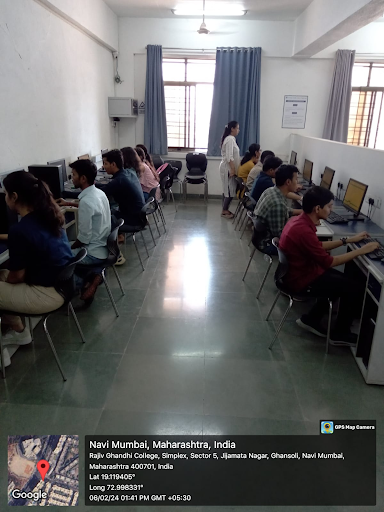
Laboratory Equipments:
Hardware: Lenovo Neo 50T, Gen3, 12th generation Intel core i5 12400,16gb Ram Win 11 pro OEM/ 512GB SSD,19’’ IncTFT, K/B, Mouse Printers, Internet, Networking Devices – Switches
Operating System: Windows 11, Ubuntu 22.04 LTS
Utilization of Laboratory: For S.E., T.E. & B.E. Comp
2. Lab Name: Programming Lab
Location of Laboratory: 503
Area of Laboratory: 70 SQM
Laboratory Incharge: Mrs, Vaishali Yeole
A Programming Lab is a dedicated facility for developing and testing software applications. Equipped with high-performance computers, integrated development environments (IDEs), and various programming tools, the lab supports learning and research in languages like C, C++, Java, Python, and more. It provides hands-on experience in coding, algorithm design, software development, and debugging, enabling students to build efficient and scalable solutions for real-world problems.
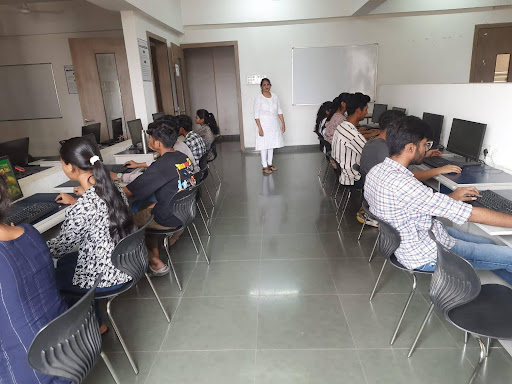
Laboratory Equipments:
Hardware: Lenovo Neo 50T, Gen3, 12th generation Intel core i5 12400,16gb Ram Win 11 pro OEM/ 512GB SSD,19’’ IncTFT, K/B, Mouse Printers, Internet, Networking Devices – Switches
Operating System: Windows 11, Ubuntu 22.04 LTS
Utilization of Laboratory: For S.E., T.E. & B.E. Comp
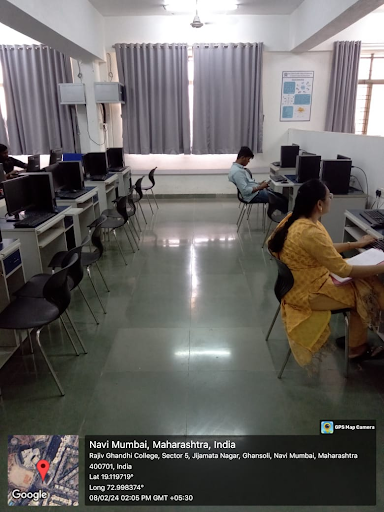
3. Lab Name: Advanced Computing Lab
Location of Laboratory: 504
Area of Laboratory: 70 SQM
Laboratory Incharge: Mrs, Revti Jadhav
An Advanced Computing Lab is a high-performance facility designed for research and development in cutting-edge computing technologies. Equipped with powerful servers, GPUs, cloud computing resources, and advanced software tools, the lab supports work in artificial intelligence, machine learning, high-performance computing, and distributed systems. It enables students and researchers to experiment with complex algorithms, parallel processing, and emerging computing paradigms, fostering innovation and real-world problem-solving.
Laboratory Equipments:
Hardware: Lenovo Neo 50T, Gen3, 12th generation Intel core i5 12400,16gb Ram Win 11 pro OEM/ 512GB SSD,19’’ IncTFT, K/B, Mouse Printers, Internet, Networking Devices – Switches
Operating System: Windows 11, Ubuntu 22.04 LTS
Utilization of Laboratory: For S.E., T.E. & B.E. Comp
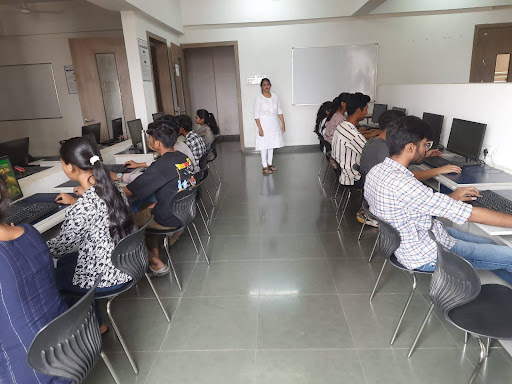
4. Lab Name: Network and Security Lab
Location of Laboratory: 505
Area of Laboratory: 67 SQM
Laboratory Incharge: Mrs, Sarita Khedikar
A Network and Security Lab is a specialized facility for studying, designing, and testing network infrastructures and cybersecurity solutions. Equipped with routers, switches, firewalls, intrusion detection systems, and security tools, the lab enables hands-on learning in network protocols, ethical hacking, encryption, and threat analysis. It prepares students for real-world challenges in securing and managing modern network environments while fostering research and innovation in cybersecurity.
Laboratory Equipments:
Hardware: Lenovo Neo 50T, Gen3, 12th generation Intel core i5 12400,16gb Ram Win 11 pro OEM/ 512GB SSD,19’’ IncTFT, K/B, Mouse Printers, Internet, Networking Devices – Switches
Operating System: Windows 11, Ubuntu 22.04 LTS
Utilization of Laboratory: For S.E., T.E. & B.E. Comp
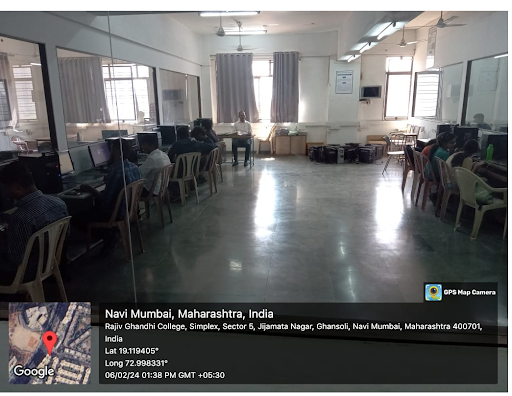
5. Lab Name: Data Science Lab
Location of Laboratory: 506
Area of Laboratory: 67 SQM
Laboratory Incharge: Mr, Selvamurugan Kasi
A Data Science Lab is a dedicated facility for students and researchers to analyze data, develop machine learning models, and explore big data technologies. Equipped with high-performance computing resources, data analytics tools, and AI frameworks, the lab supports research and practical applications in fields like predictive analytics, deep learning, and data-driven decision-making. It fosters innovation, hands-on learning, and interdisciplinary collaboration to solve real-world challenges using data science techniques
Laboratory Equipments:
Hardware:HP RCTO 280, Intel core i5 10400, 2.9 GHz, 8 GB RAM, 1 TB SATA HDD,18.5″ TFT Monitors,Printers ,Internet.
Operating System: Windows 10, Ubuntu 22.04 LTS
Utilization of Laboratory: For S.E., T.E. & B.E. Comp
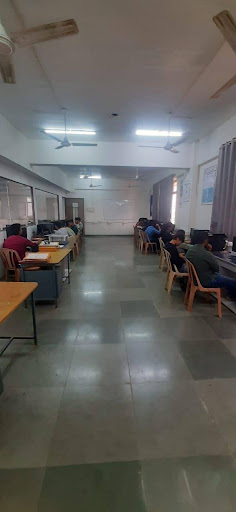
6. Lab Name: Project Lab
Location of Laboratory: 507
Area of Laboratory: 75 SQM
Laboratory Incharge: Mr, Satish Kuchiwale
A Project Lab is a specialized workspace where students design, develop, and implement software and hardware-based projects. Equipped with high-performance computers, development boards, programming tools, and networking devices, the lab supports innovation in areas like embedded systems, artificial intelligence, cybersecurity, and software development. It fosters hands-on learning, collaboration, and research, enabling students to work on real-world applications and industry-relevant solutions.
Laboratory Equipments:
Hardware:HP RCTO 280, Intel core i5 10400, 2.9 GHz, 8 GB RAM, 1 TB SATA HDD,18.5″ TFT Monitors,Printers ,Internet.
Operating System: Windows 10, Ubuntu 22.04 LTS
Utilization of Laboratory: For S.E., T.E. & B.E. Comp
| Date of Event | Name of Event | Link |
|---|---|---|
| 18/03/2026 | Seminar on HazardEye: IoT-Based Industrial Monitoring and Safety System with Voice Interface | Click Here |
| 10/03/2026 | Seminar on IoT-Enabled Line Following Robot: Design, Development and Demonstration | Click Here |
| 8/10/2025 | Scope and Era of InternetofThings(IOT) | Click Here |
| 30/9/2025 | Linux Installation Party | Click Here |
| 29/9/2025 | MASTERING AI TOOLS FOR INNOVATION | Click Here |
| 16/9/2025 | Proprietary Software vs. FOSS | Click Here |
| 12/8/2025 to 13/8/2025 | LLMs,RAG and AI Agents: A Practical Workshop | Click Here |
| 11/8/2025 | Mic & Metaphor | Click Here |
| 10/8/2025 | AGENTIC AI | Click Here |
| 7/8/2025 | Alumni Interaction | Click Here |
| 03/10/2023 to 06/10/2023. | Experts Talk on AI Innovations | Click Here |
| 8th January 2025 | Experts Talk on AI Innovations | Click Here |
| 1st October 2024 | Almni Interaction | Click Here |
| 5th September 2024 | Ganesh Chaturthi Celebration | Click Here |
| 8th Aug 2024 | Alumni Meet | Click Here |
| 19th April 2024 | Industrial Visit | Click Here |
| 13th March 2024 | Tech Debate | Click Here |
| 13th March 2024 | Web Designing Using Figma | Click Here |
| 9th February 2024 | Cash of Words | Click Here |
| 30th January 2024 and 31st January 2024 | Branching Brilliance: A GitHub Expedition | Click Here |
| 24th January 2024 | Cash of Words | Click Here |
| 2nd March 2024 and 3rd March 2024 | DevIgnite Hackathon – 2024 | Click Here |
| 3rd October 2023 to 6th October 2023 | VALUE ADDED PROGRAM ON AI POWERED OPPORTUNITIES | Click Here |
| 3rd October 2023 to 6th October 2023 | AI Techies Club | Click Here |
4 days workshop on Neural Networks and Deep Learning
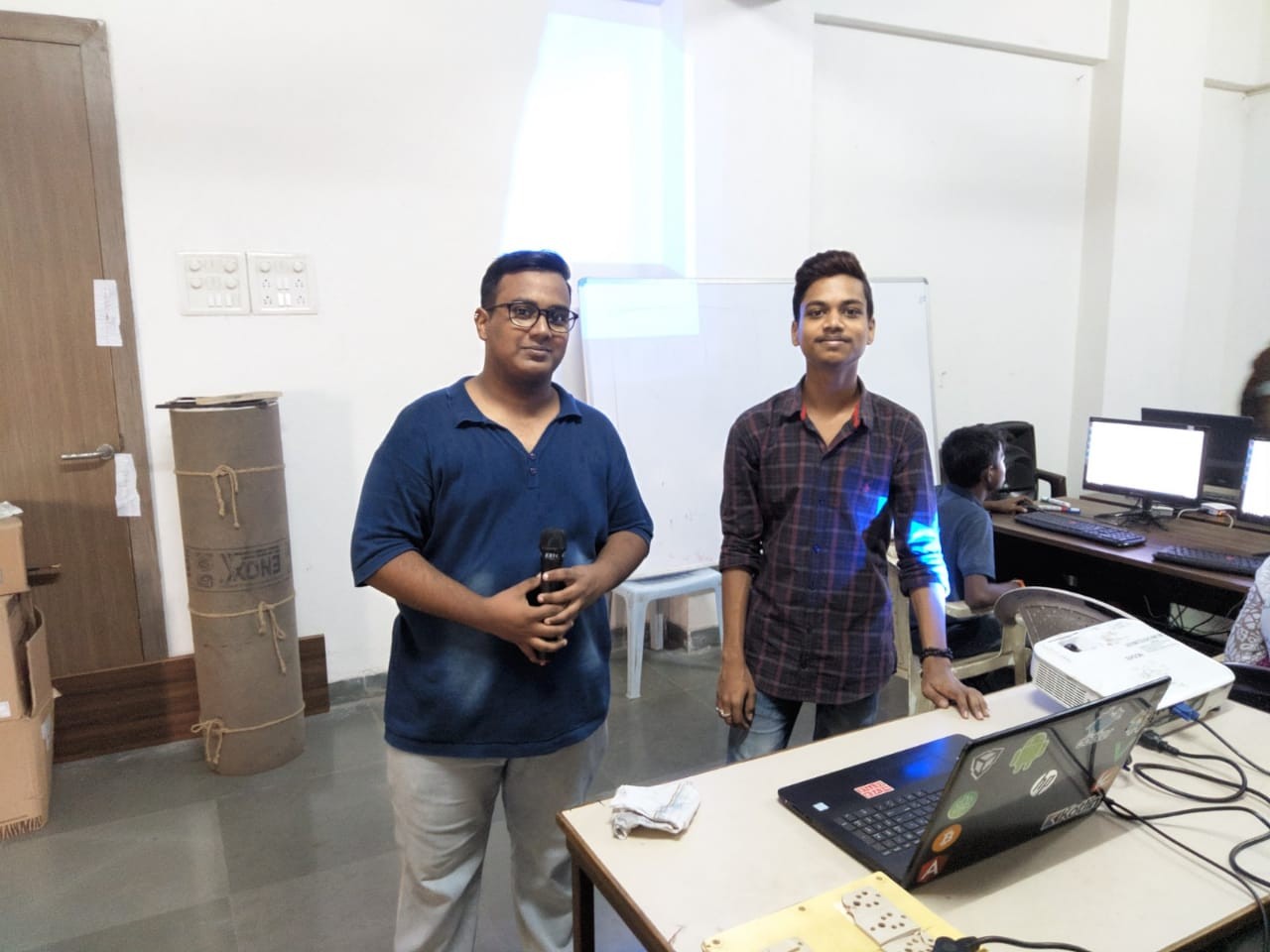
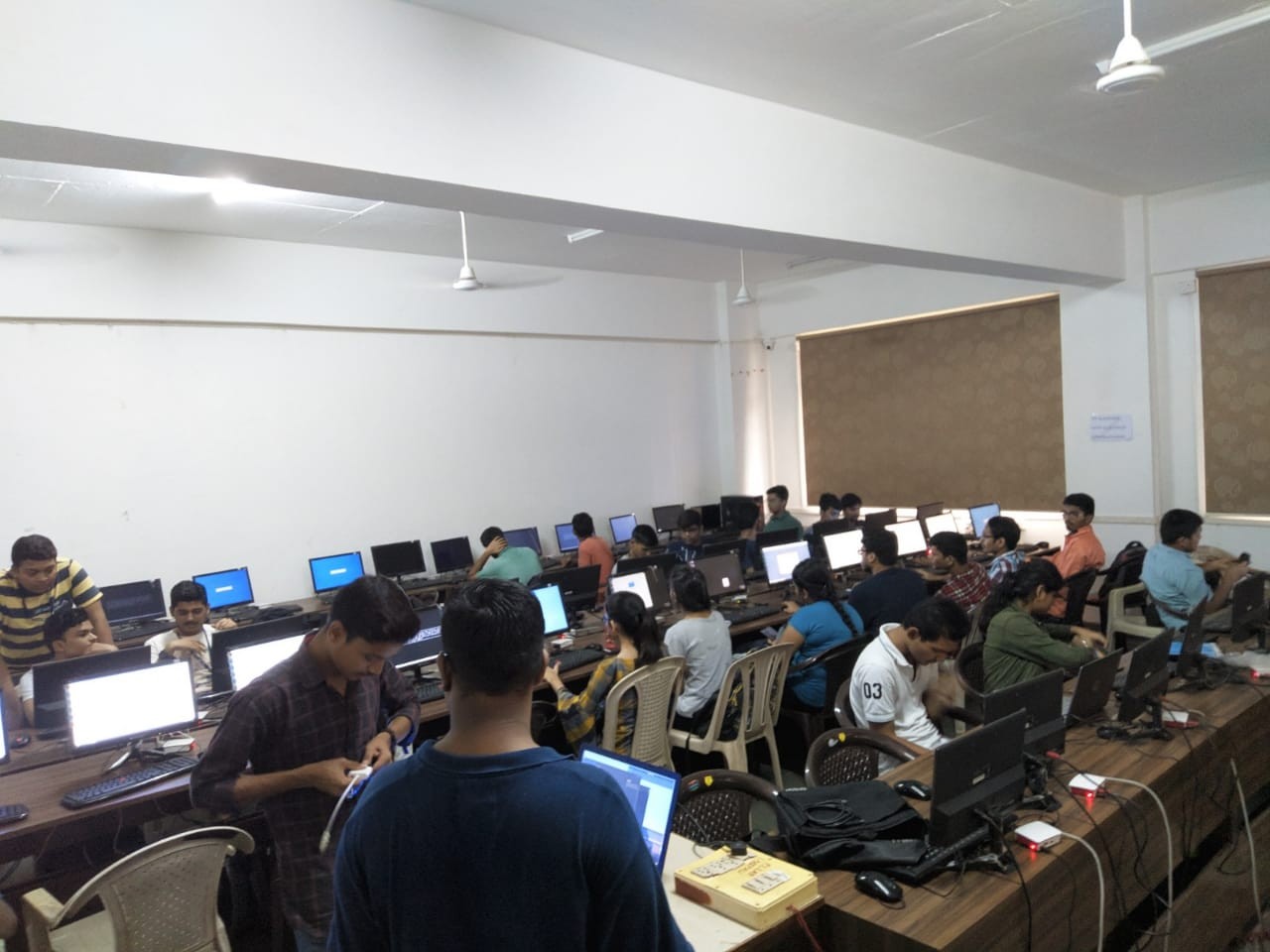
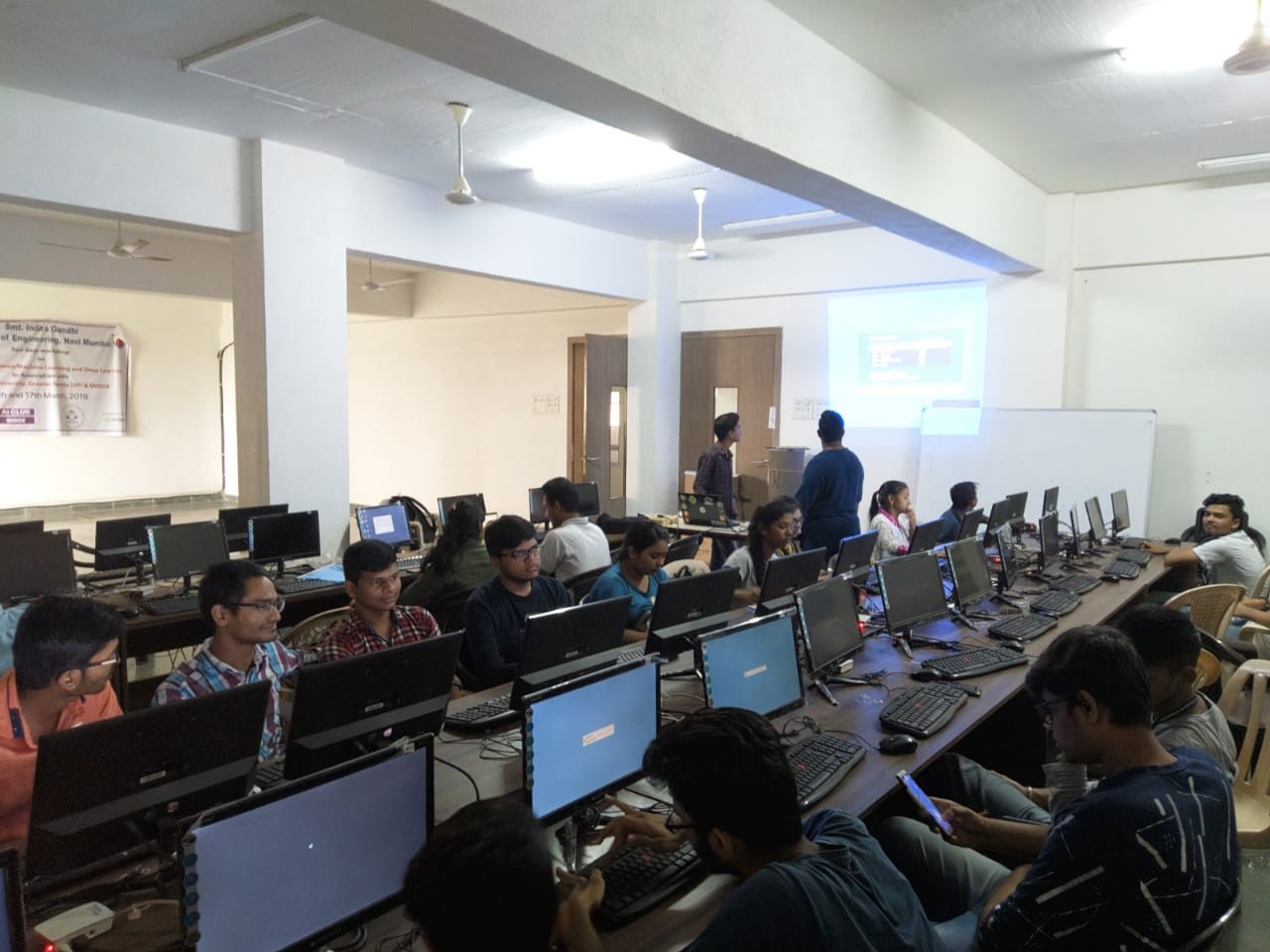
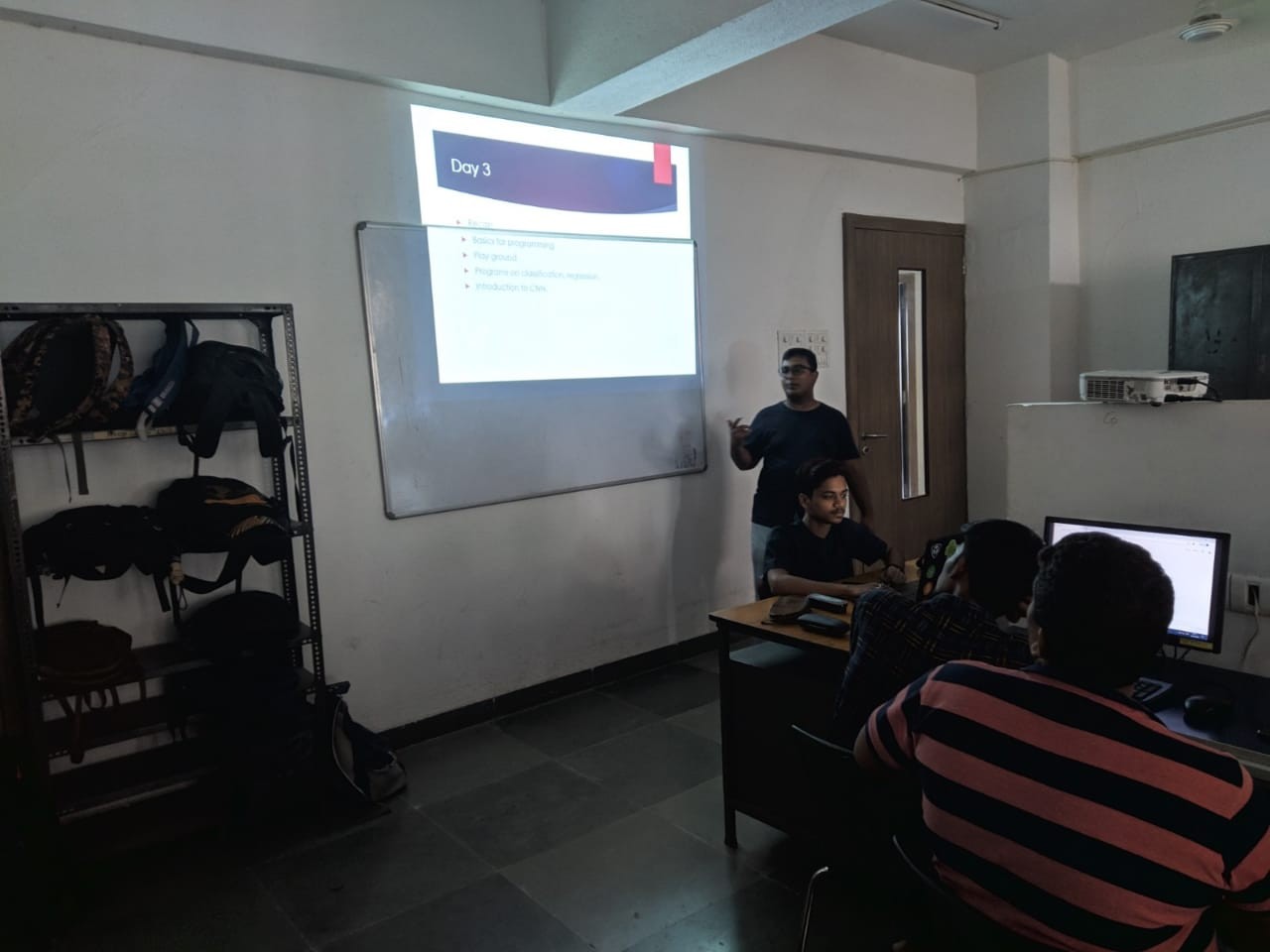
Computer department organized 4 days workshop on Neural Networks and Deep Learning from 17th September 2019 to 20th September 2019. This workshop conducted by our students Hrushikesh Shukla (BE Comps) and Tanmay Pachpande (TE Comps), which cover up the contents of Introduction to Neural networks, Working of Neural Networks, Deep Learning concepts like Convolutional Neural Networks (CNN), Recurrent Neural Networks (RNN), etc. , learn to program the Neural Networks and optimize them and given a small project for self learning. Also conducted a quiz on that session and given a digital participation certificate through email to participants.
Five Days Workshop on “Full Stack Development”
A Full Stack Development Workshop was Organized by T.E. and S.E. students of Computer Department. It was held from 26th August to 30th August in the college hours .The workshop was inaugurated by higher authorities of the college. The Workshop comprised of practical sessions on HTML(Day 1), CSS (Day 2), Bootstrap (Day 3), Javascript (Day 4 and Day 5). A final Kahoot quiz was conducted on the last day of the workshop and based on its evaluation, cash prize was given to the winner and the runner-up. The student’s response to this workshop was appreciable. They got quite acquainted with the front end technologies throughout this workshop.
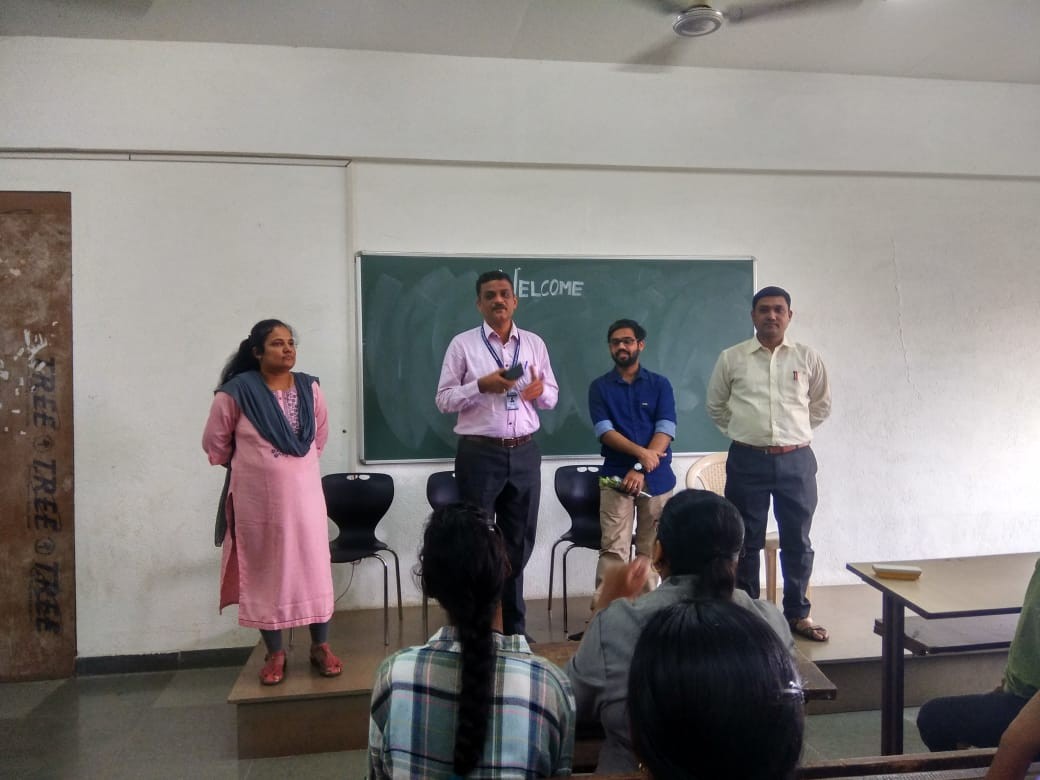
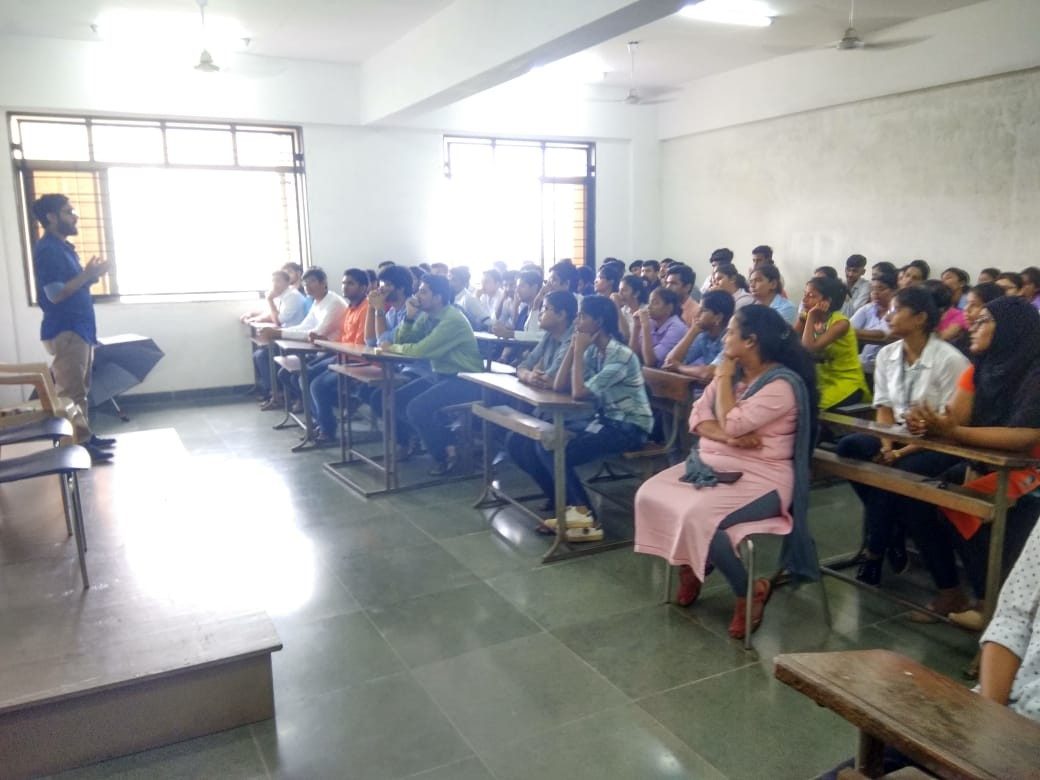
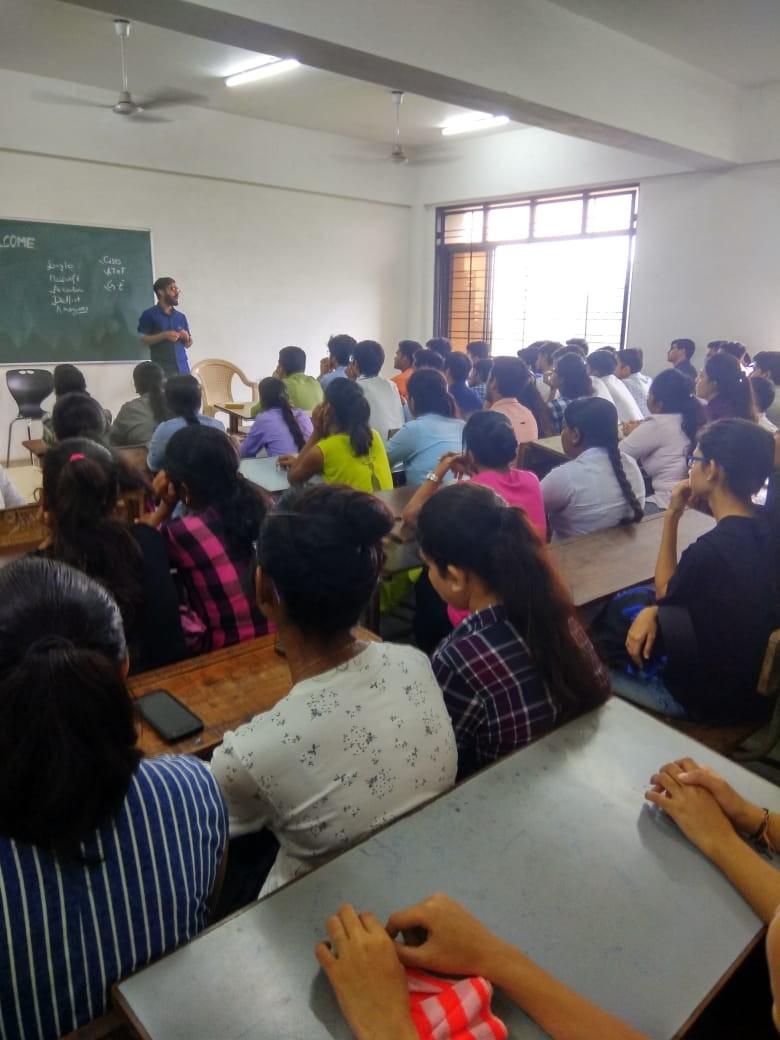
Alumni Interaction Mr. Tanmay Chitnis [Alumni 2012 pass out], Software Development Engineer at Expedia Group, Seattle
This session was a very helpful and informational for the students as they came to know about the most recent trends of the new technologies and frameworks that are being used in the industries and how to balance between regular academic studies and preparation of placements. He recommended to include extra certification or internship in resume, work on open source technologies, emphasize on Practical Knowledge, Learning during Experiments and Viva’s, making projects and Hands-on Trainings as these lead to a much deeper understanding of concepts and bring in self-confidence. He concluded saying there is no shortage of jobs and career options.
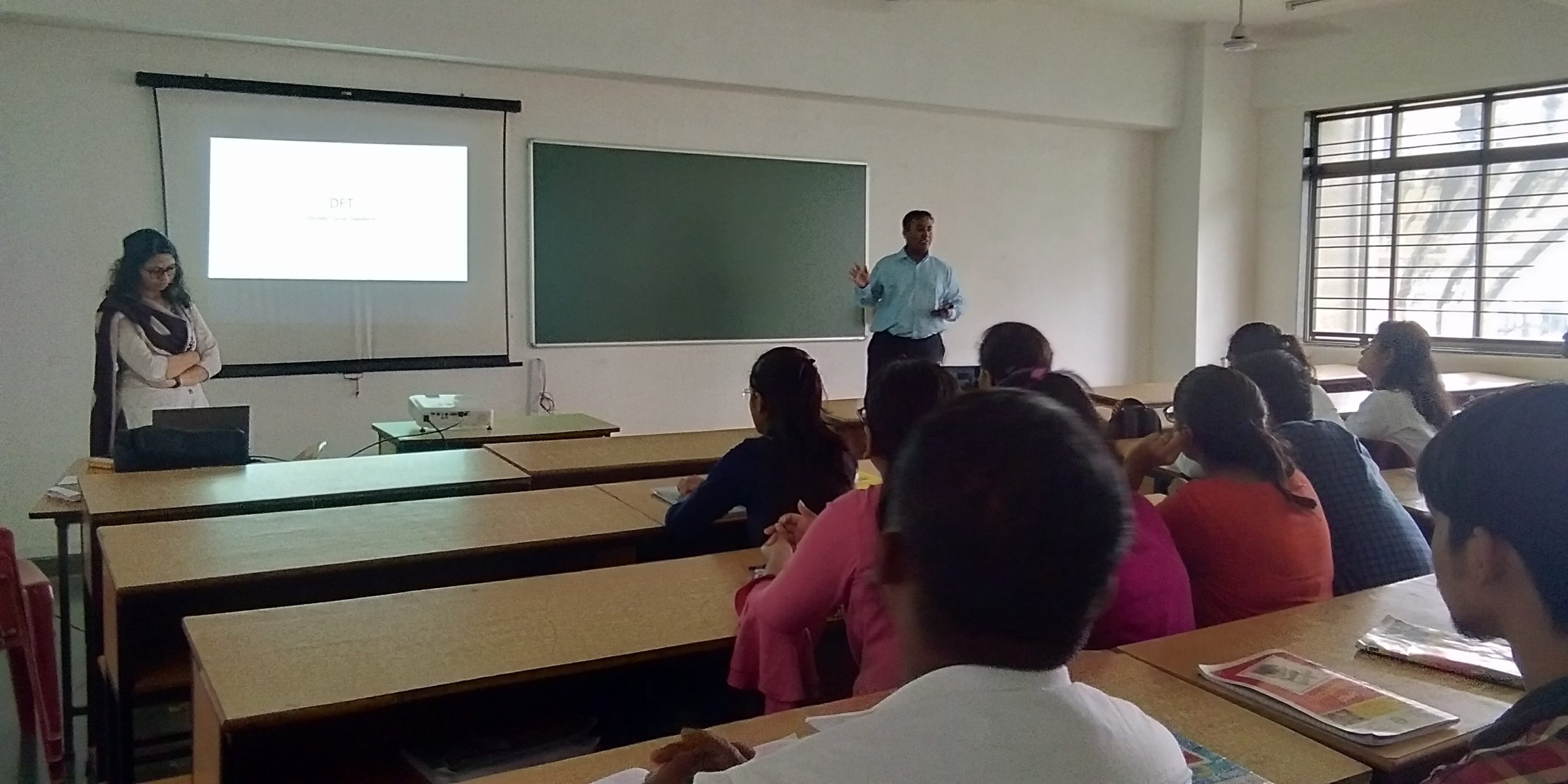
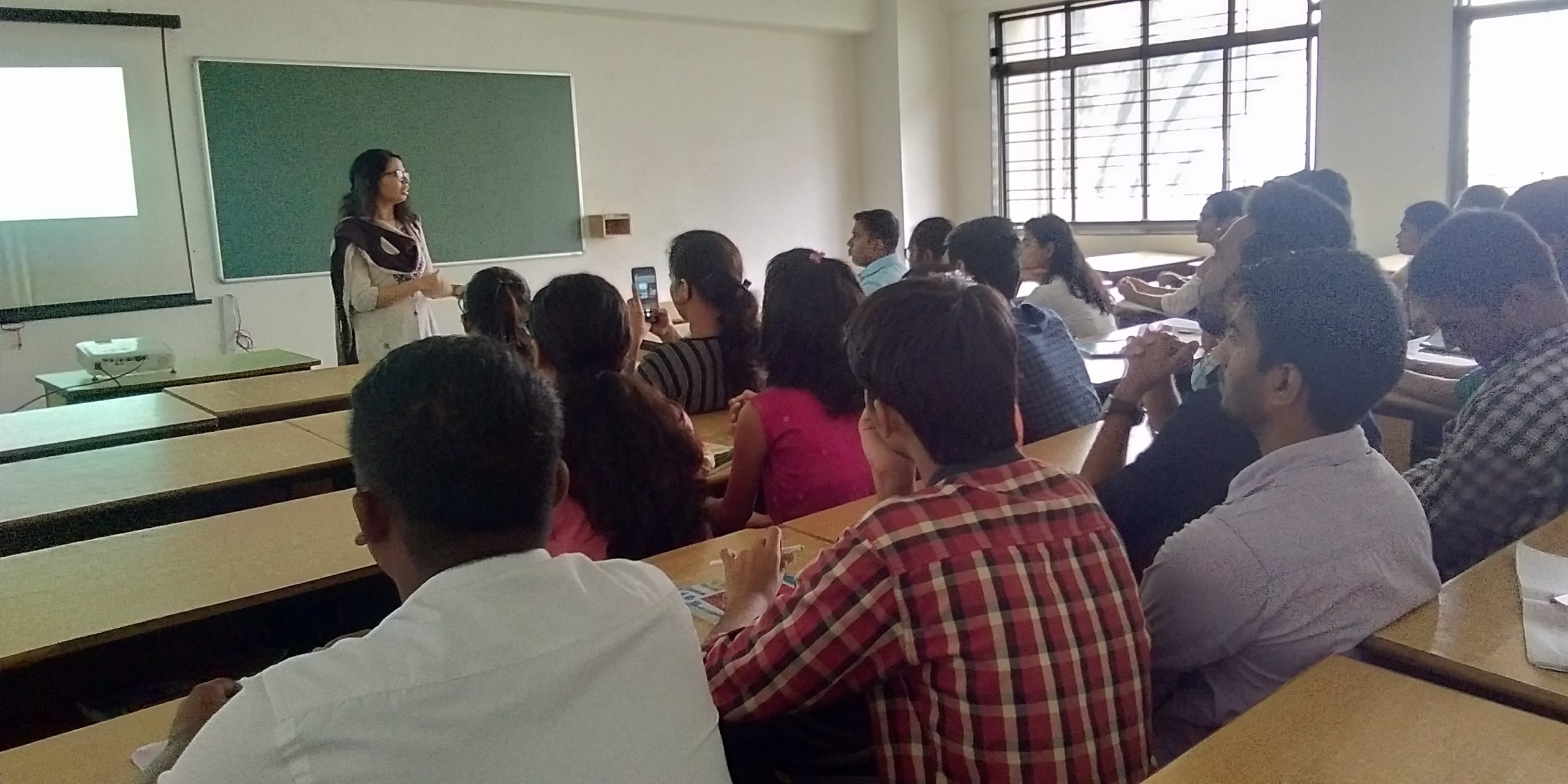
Expert Guest Lecture On Digital Signal Processing(DFT) by Prof. Sarita Bopalkar; Prof. Kirti Suryawanshi
Mrs. Sarita Bopalkar mam given brief introduction to the concept of Digital Signal Processing and Explain the concept discrete fourier transform with its properties
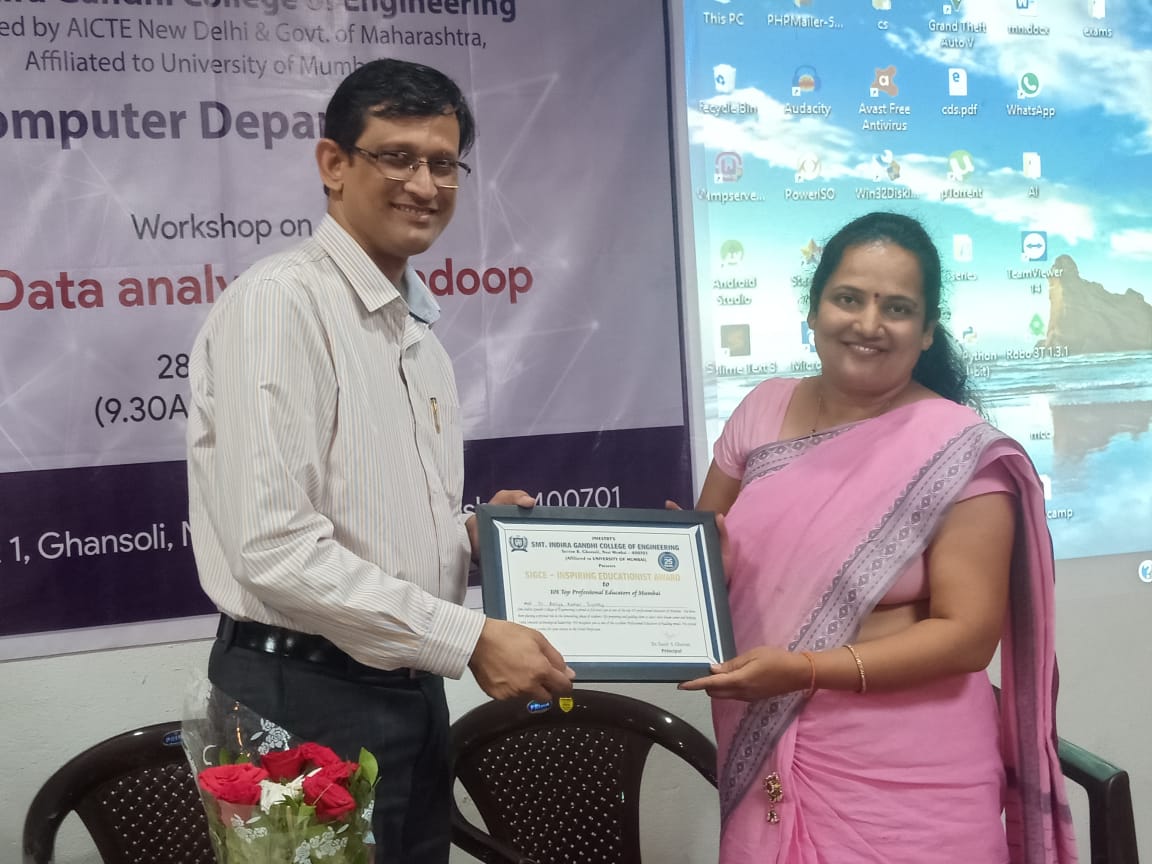
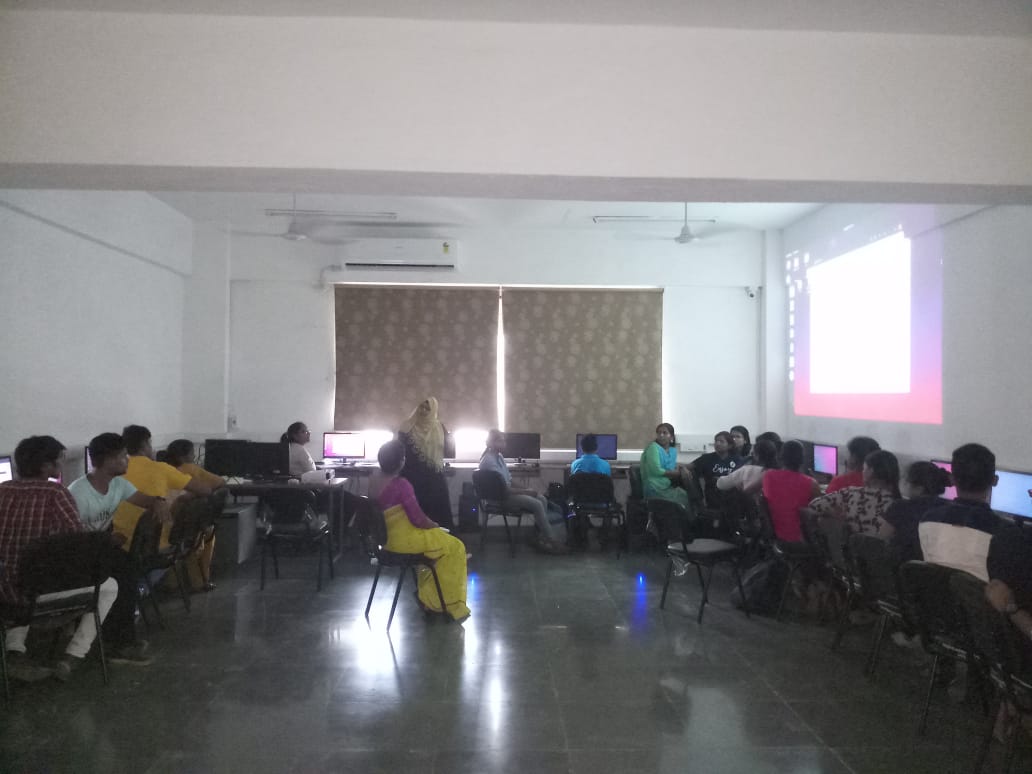
Big Data & Analytics – Hadoop Workshop
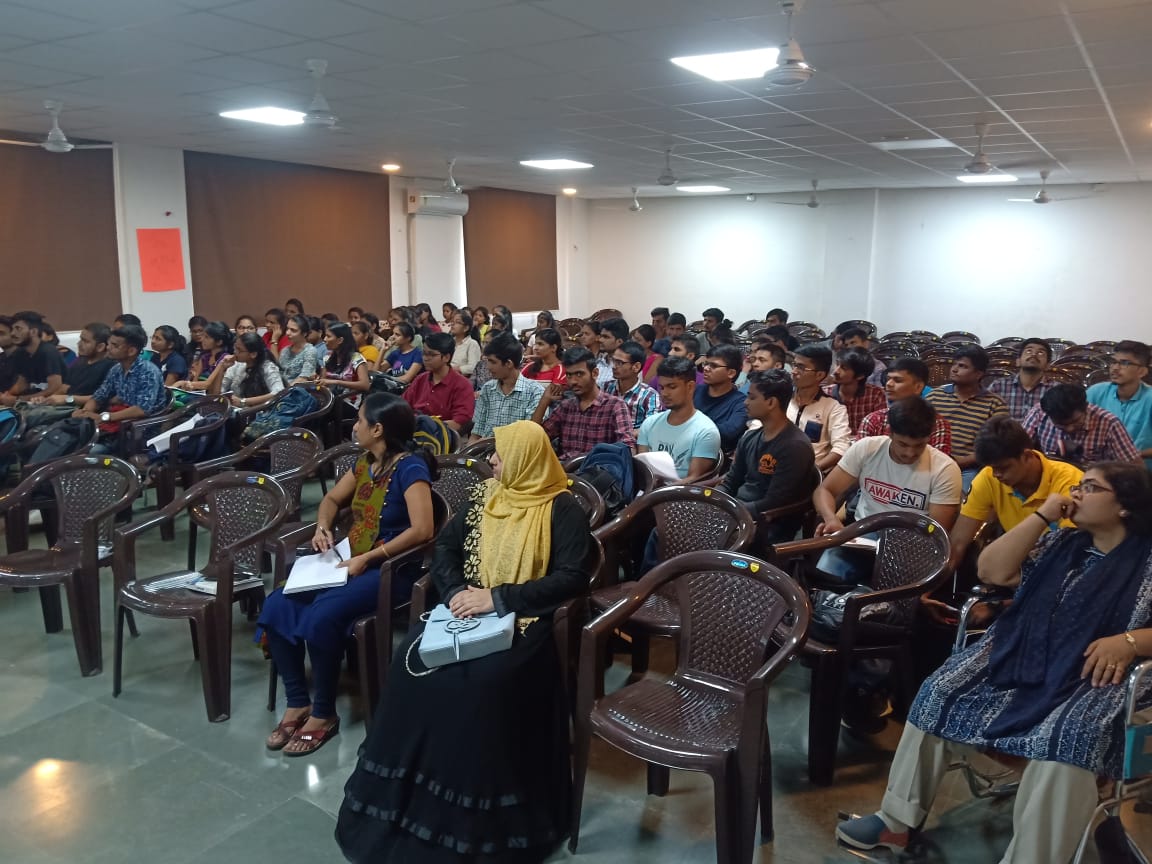
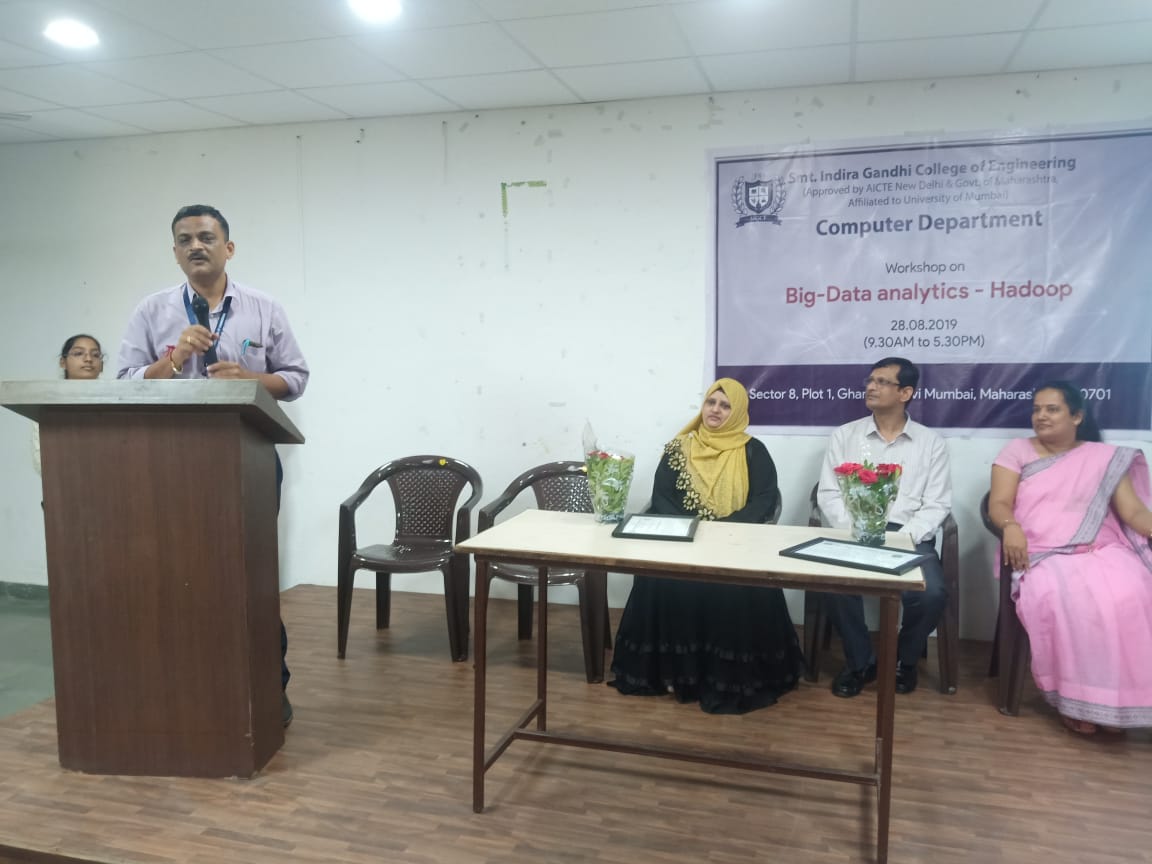
Our department has organized one day workshop on “Big Data & Hadoop” for SE/TE/BE students. This workshop consists of 2 sessions.First session conducted by Dr. Tripathy Amiya who covered on big data & analytics , hadoop tools, MapReduce with interactive way. Second session conducted by Prof.Sana Shaikh who had taken hands on training on hadoop installation & MongoDB installation & different commands. Students are appreciated the session & requested for one more session.
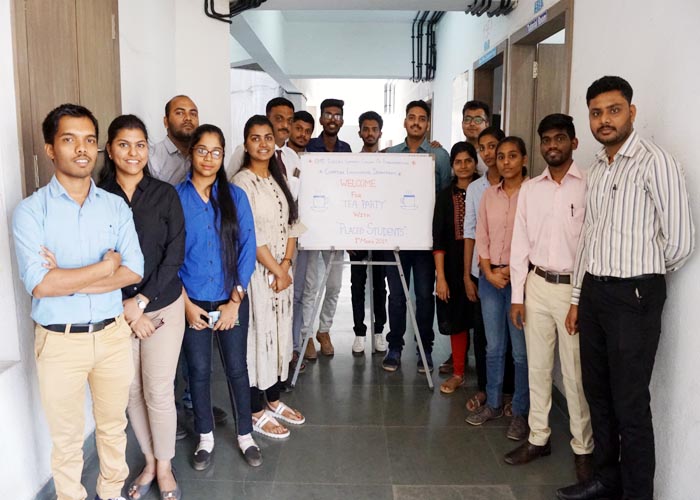
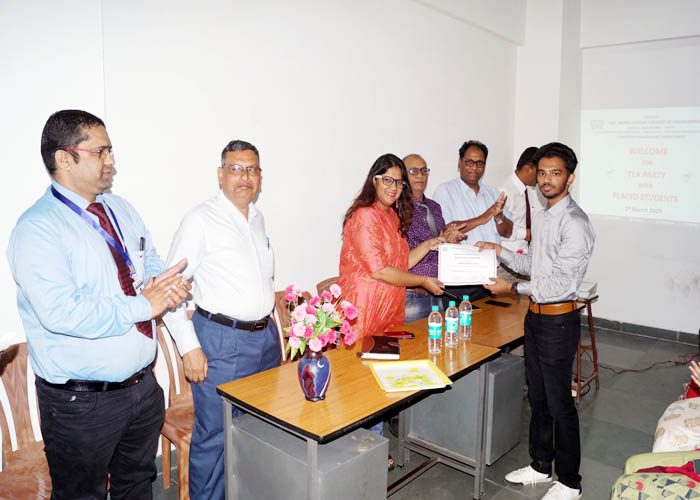
Tea Party with Placed students
Our department has organized tea party for placed students with support of higher authorities. All the authorities were present for this occasion. Placed students are congratulated, awarded with certificate and given Pen as a token which is printed with college name. Key persons and students are shared their views. All the placed students are guided and share the small tips to SE and TE comp students how to face the campus interview.
2 days workshop on MACHINE LEARNING IN PYTHON TENSORFLOW
The resource persons conducted a workshop on machine learning in python using TensorFlow. The students were introduced to the concept of deep learning. The primary software tool of deep learning is TensorFlow. It is an open source artificial intelligence library, using data flow graphs to build models. It allows developers to create large-scale neural networks with many layers. TensorFlow is mainly used for: Classification, Perception, Understanding, Discovering, Prediction and Creation.
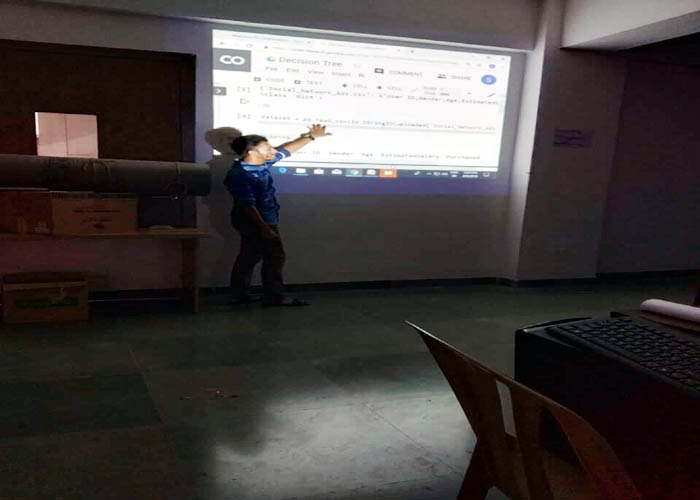
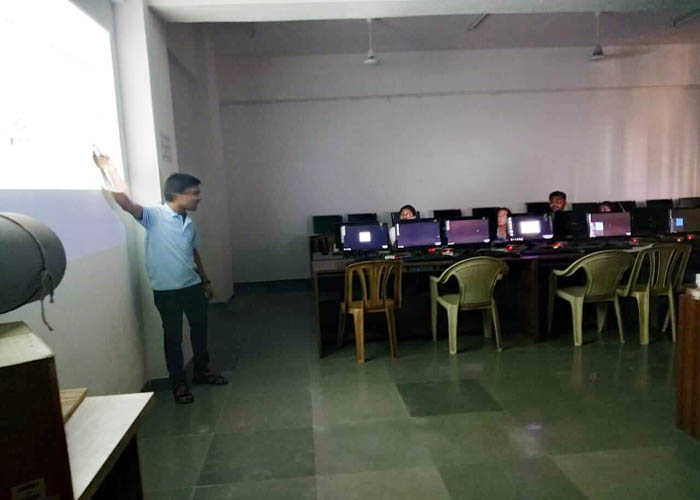
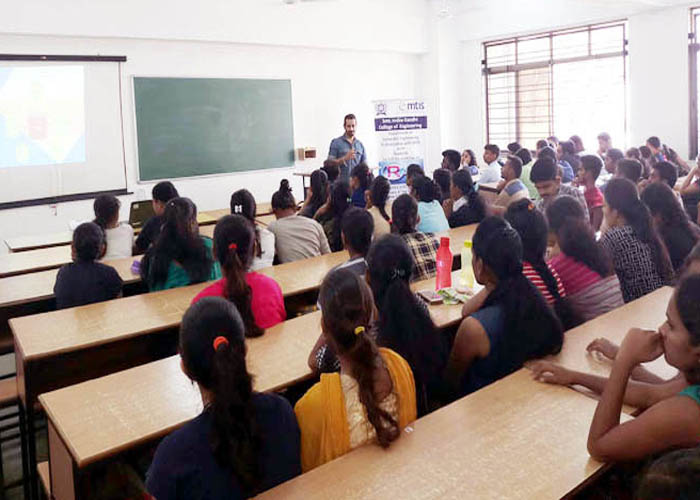
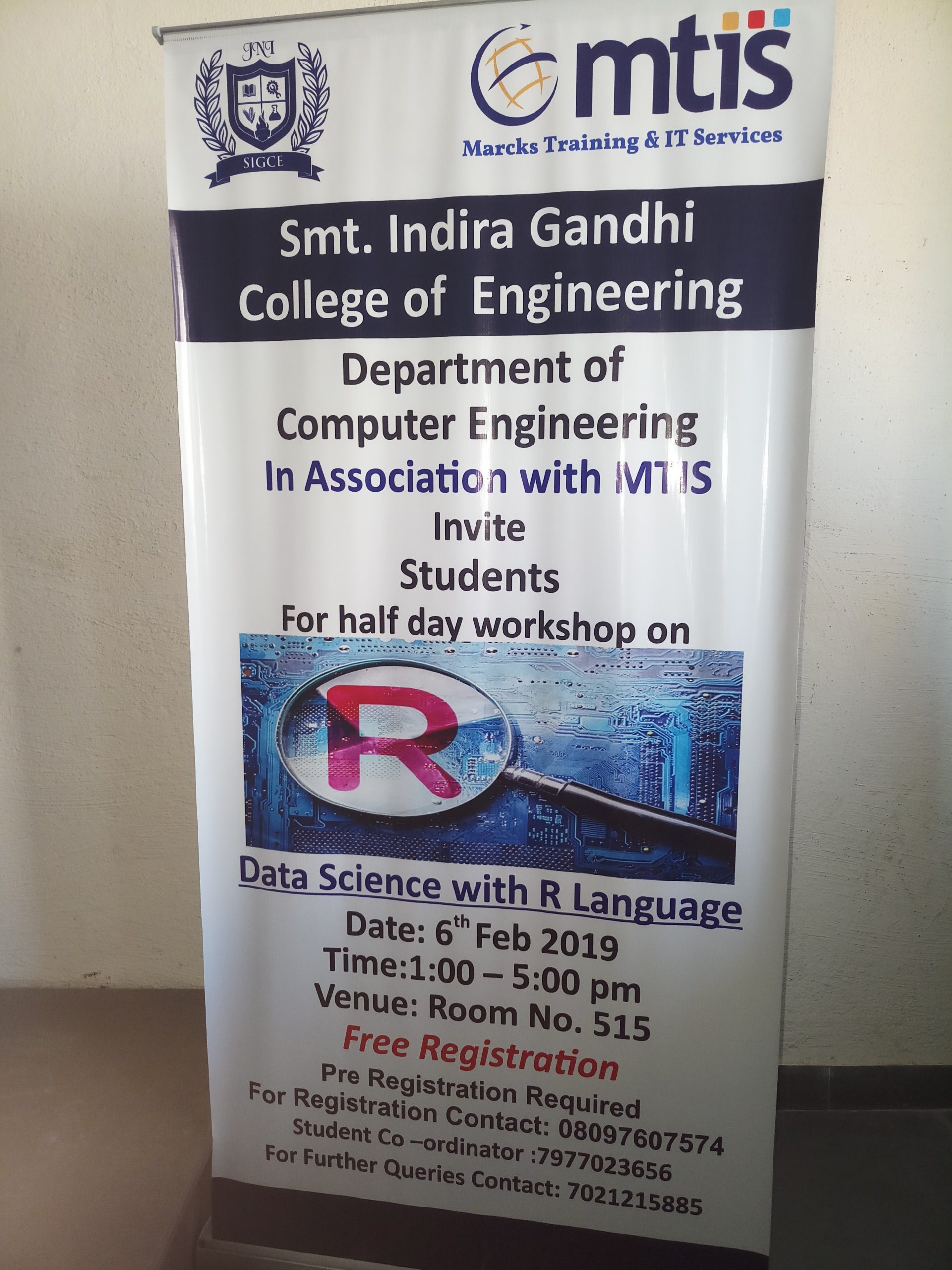
Seminar on Data Science with R Language
R is a programming language and software environment for statistical analysis, graphics representation and reporting. R was created by Ross Ihaka and Robert Gentleman at the University of Auckland, New Zealand, and is currently developed by the R Development Core Team.
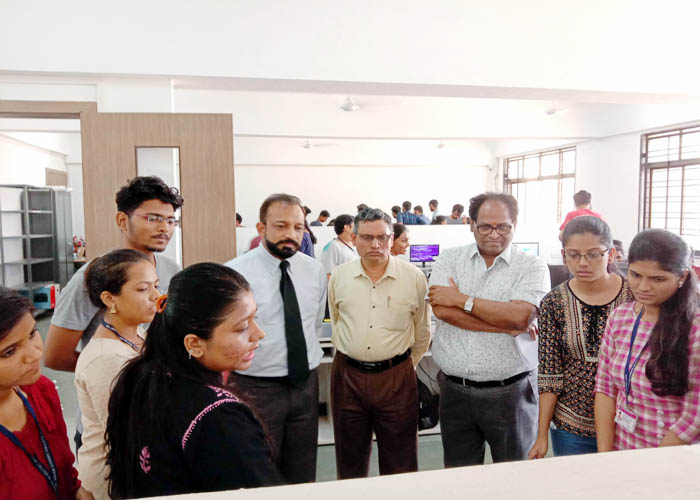
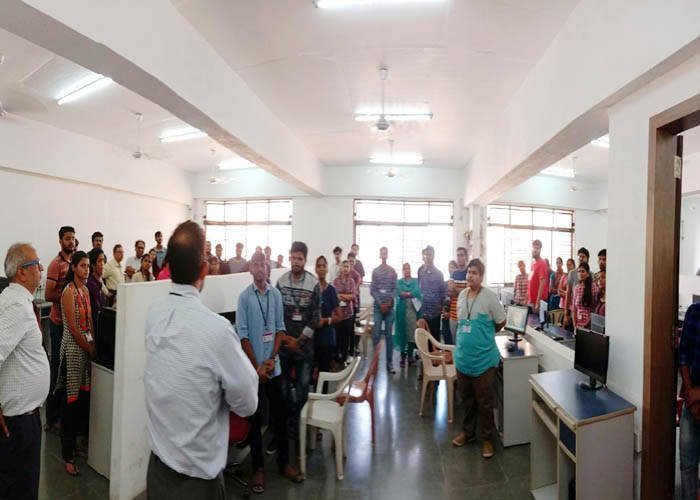
HMI Exhibition Contest
Our department has organized HMI Exhibition Contest with support of higher authorities. All the authorities were present for this occasion. A group of 7-8 students did survey on various topics (like ATVM-Automatic Ticket Vending Machine) suggested by our faculty. All the groups visited various sectors according to their survey topic and they figured out the daily required things that people use ,through survey on the basis of usage. According to the survey, students and staff elected the best survey according to the criteria.
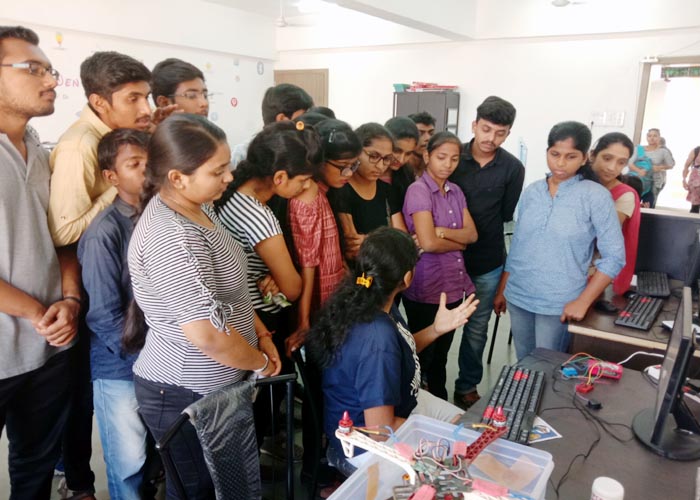
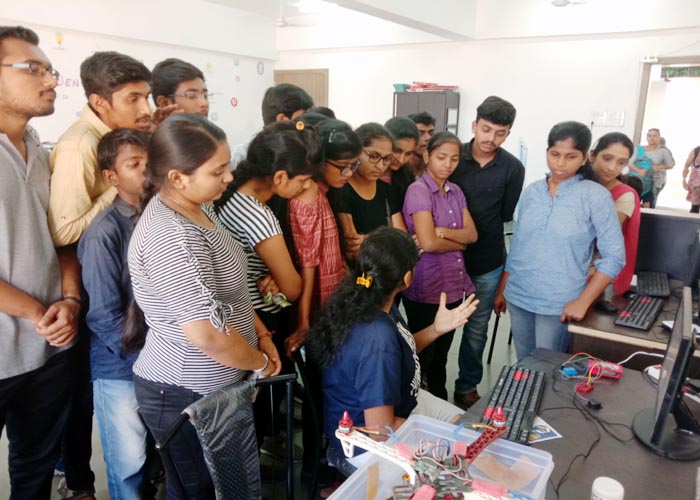
Hands on Training on IoT
Students are aware of the basics of the IoT technology. They get the knowledge of home automated system. Also students get aware of IoT embedded systems and microcontrollers, Working with Big Data, Raspberry Pi interface for IoT.
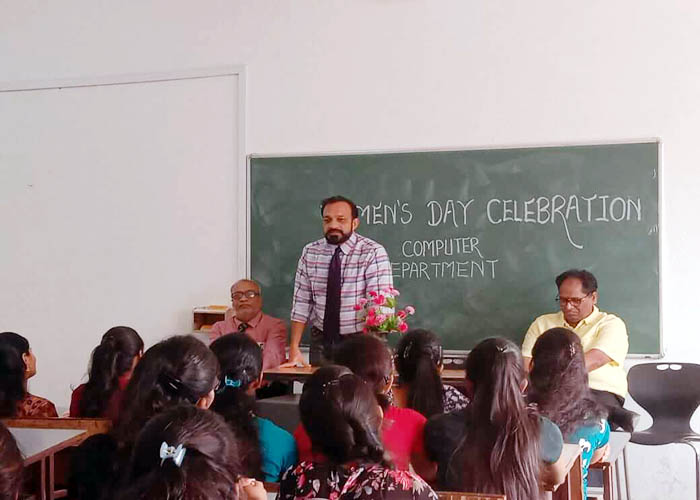
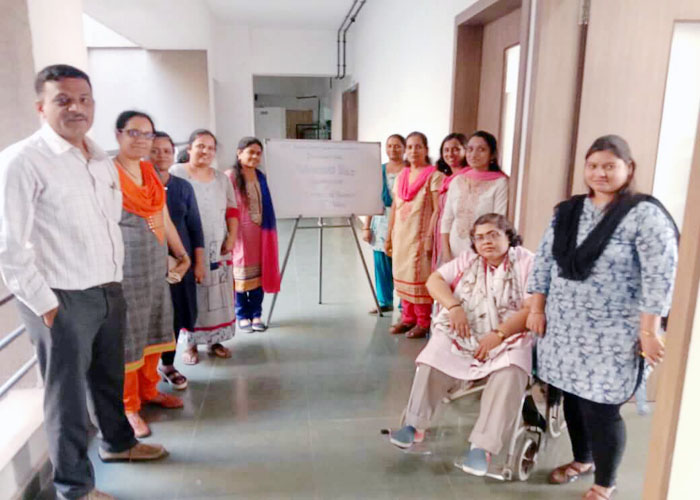
Women’s Day Celebration
Students of SE / TE/ BE Comp participated in the celebration. All the authorities of college were present for the celebration and given speech for the importance women’s day celebration. Also felicitated and given certificates to the students.
Club Inauguration (Coding Club , Machine Learning Club, IOT club)
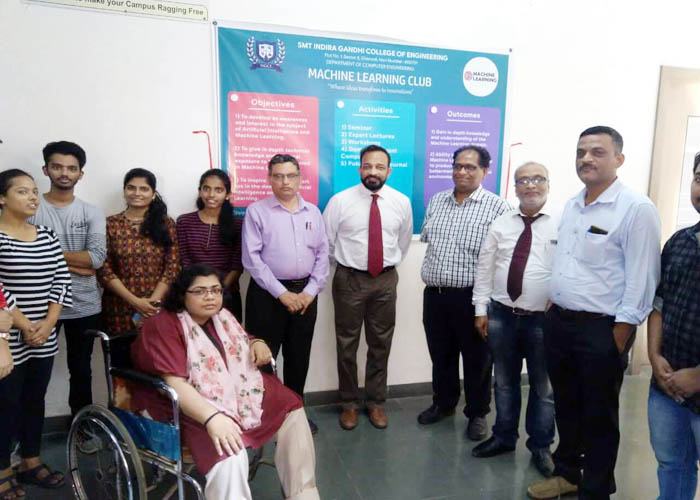
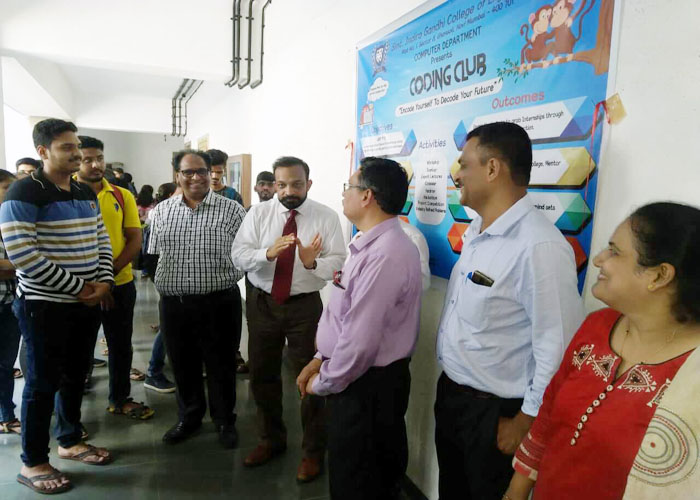
Our department has inaugurated various clubs such as Machine Learning Club, Coding Club and Internet of Things Club (IoT) in the presence of all the higher authorities including trustee members. These clubs are specified its objectives and outcomes. This is going to be achieved through various activities, expert lectures, quiz test and hands-on- training depends on activity needs.
3 days workshop on Full Stack Web Development
Students of SE/BE Comp participated and taken a workshop on HTML, CSS, Nodejs, MongoDB, NPM and Online project deployment. They elaborate how to make projects using above mentioned topics.
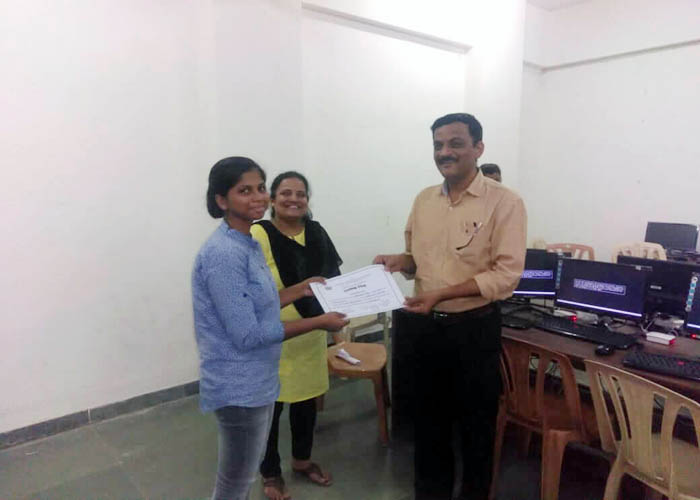
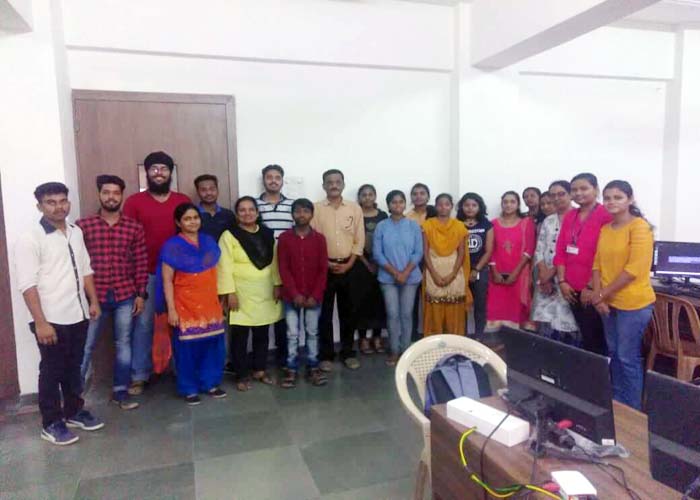
Seminar on INTRODUCTION TO MACHINE LEARNING AND ITS APPLICATIONS and Quiz Test
Students of BE Computer conducted a seminar on machine learning and its applications. A quiz test on machine learning was conducted following the seminar.
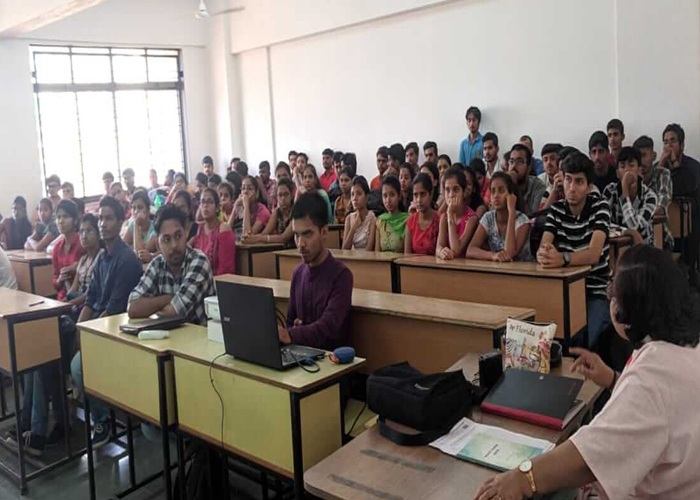
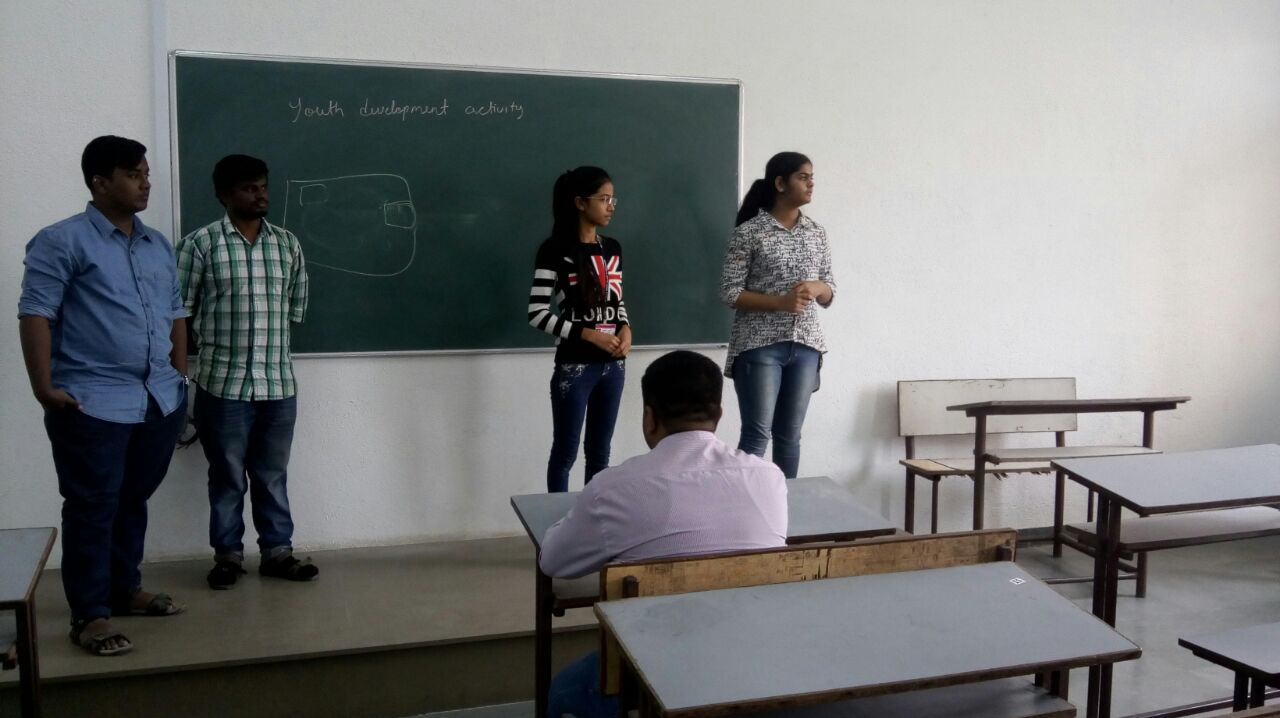
Youth Development Activity
Motivate the students to take part in extera cariculam activities.
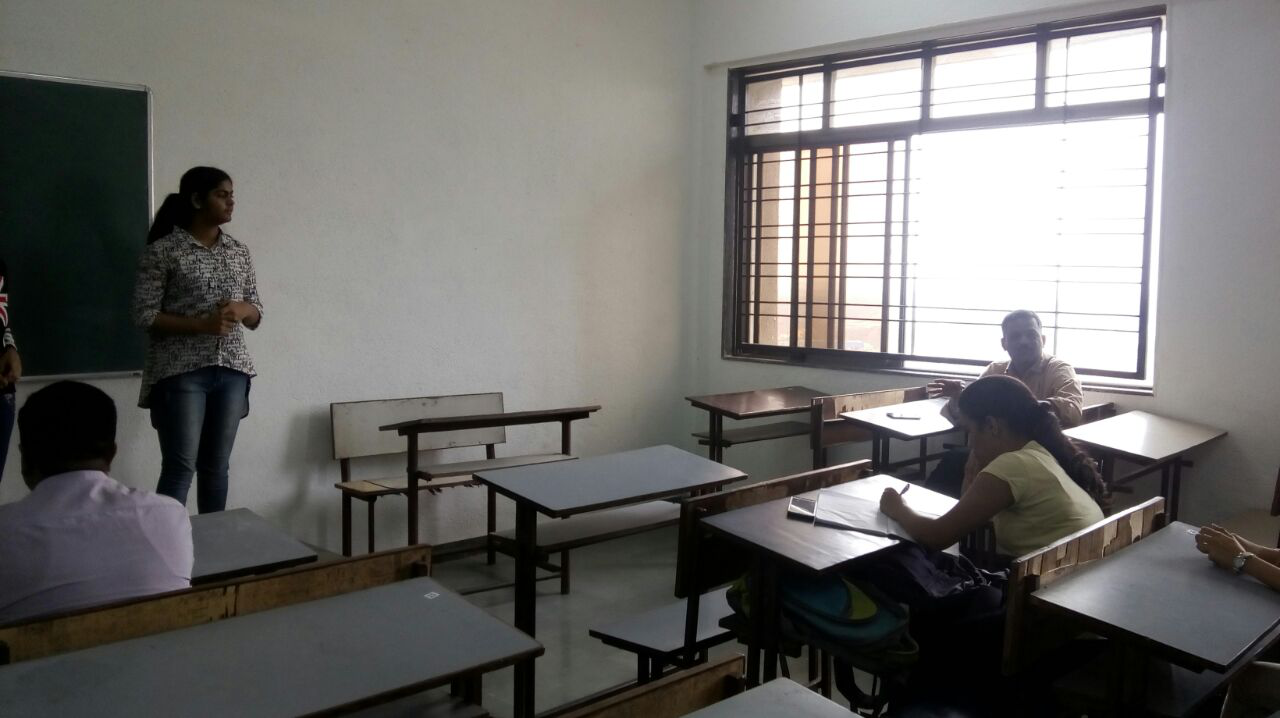
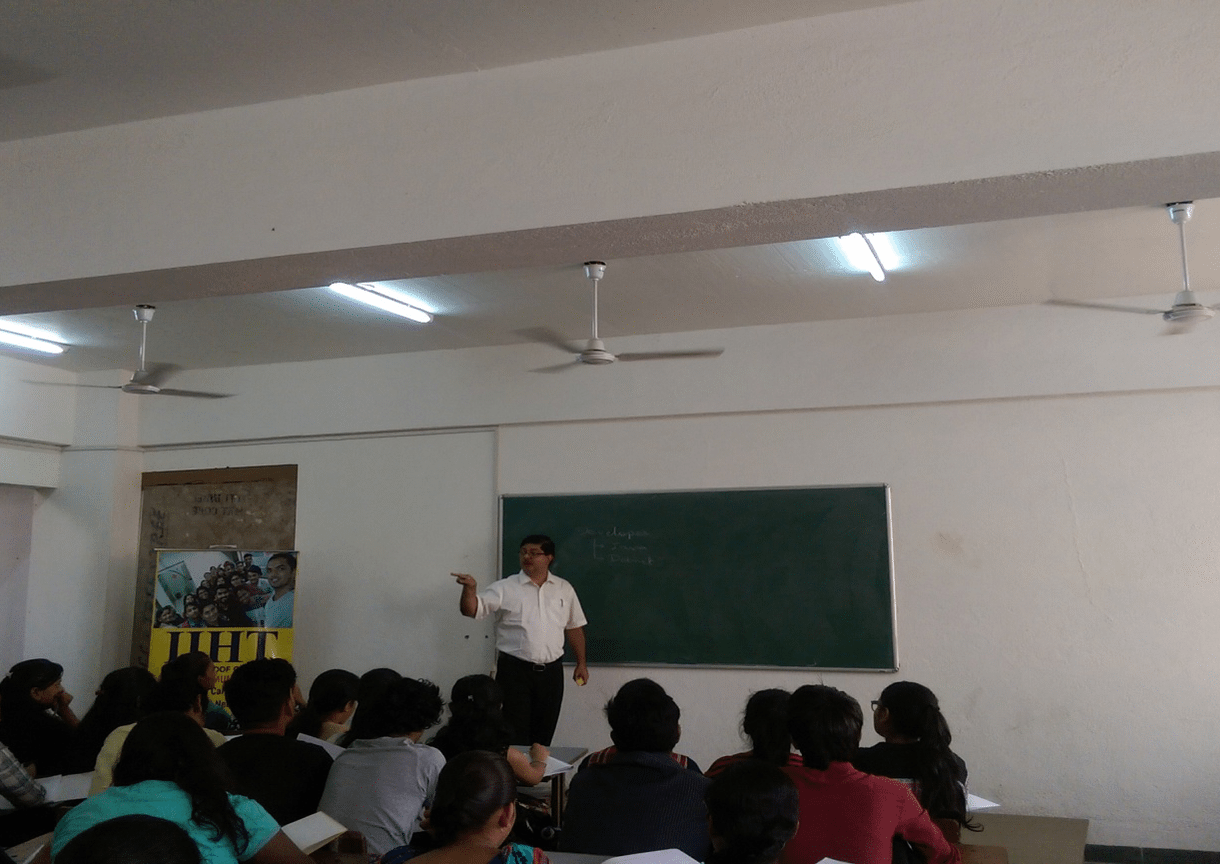
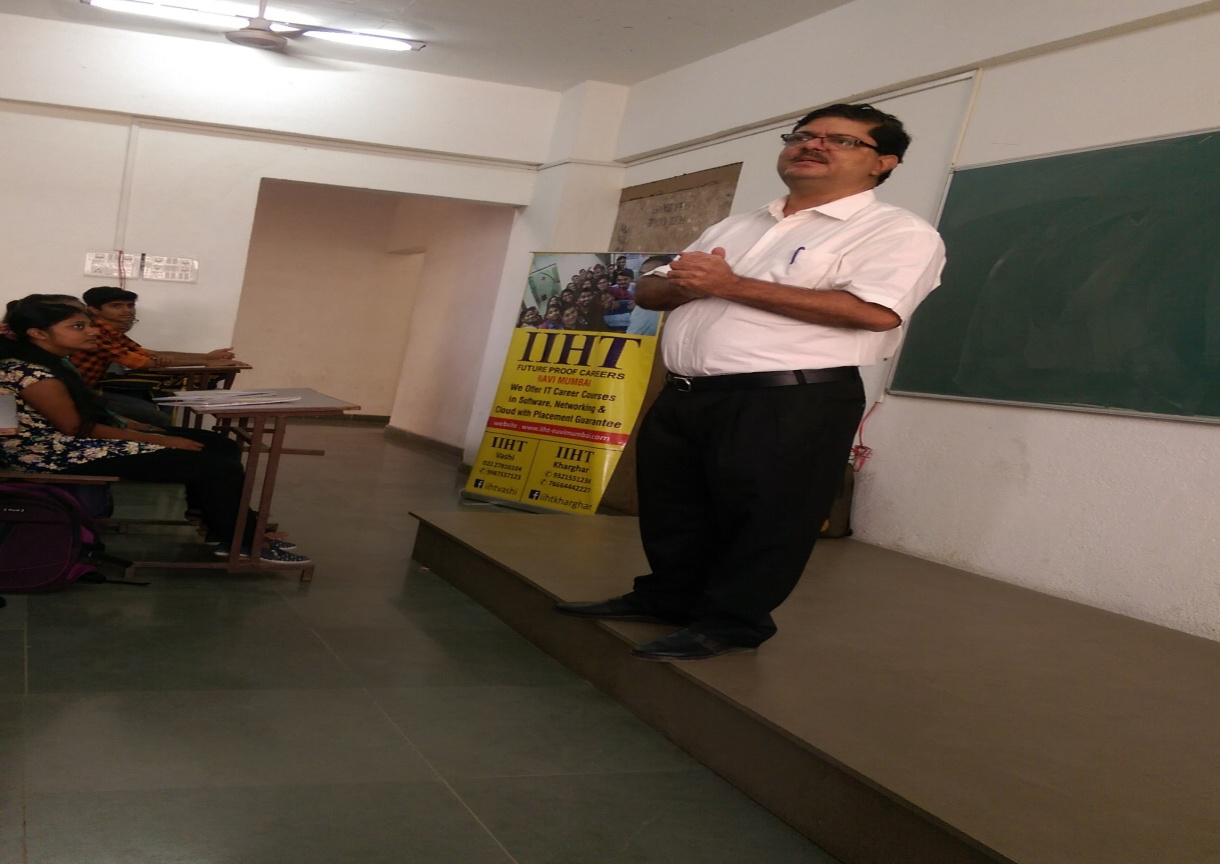
Technical Seminar (IIHT)
Introduced the new area in technology, Future scope in IT Industry. Increase the knowledge in networking Profession.
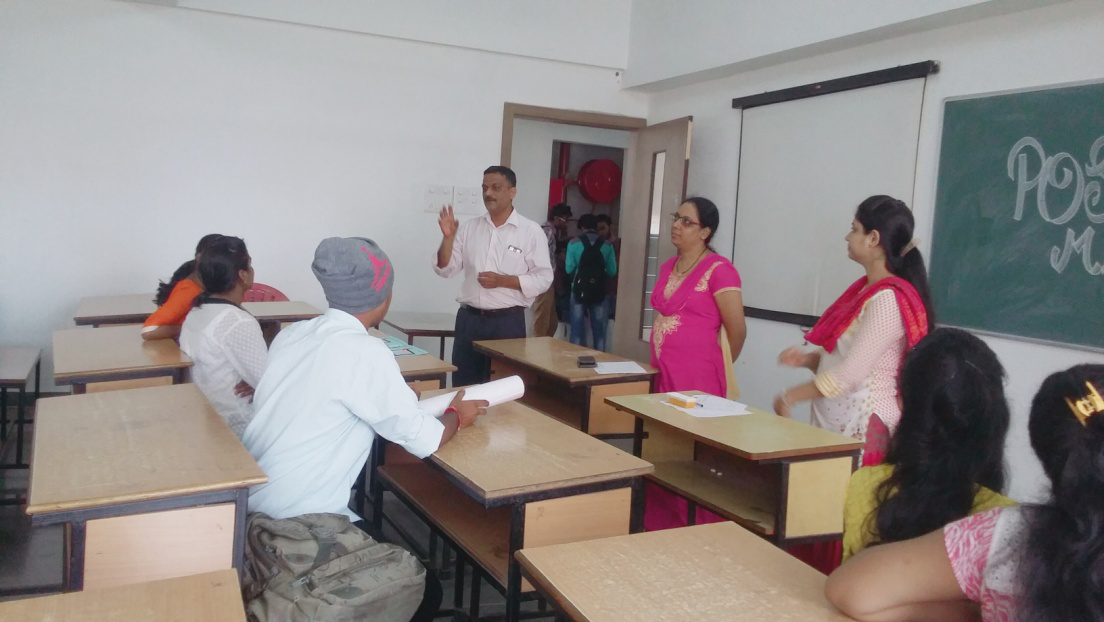
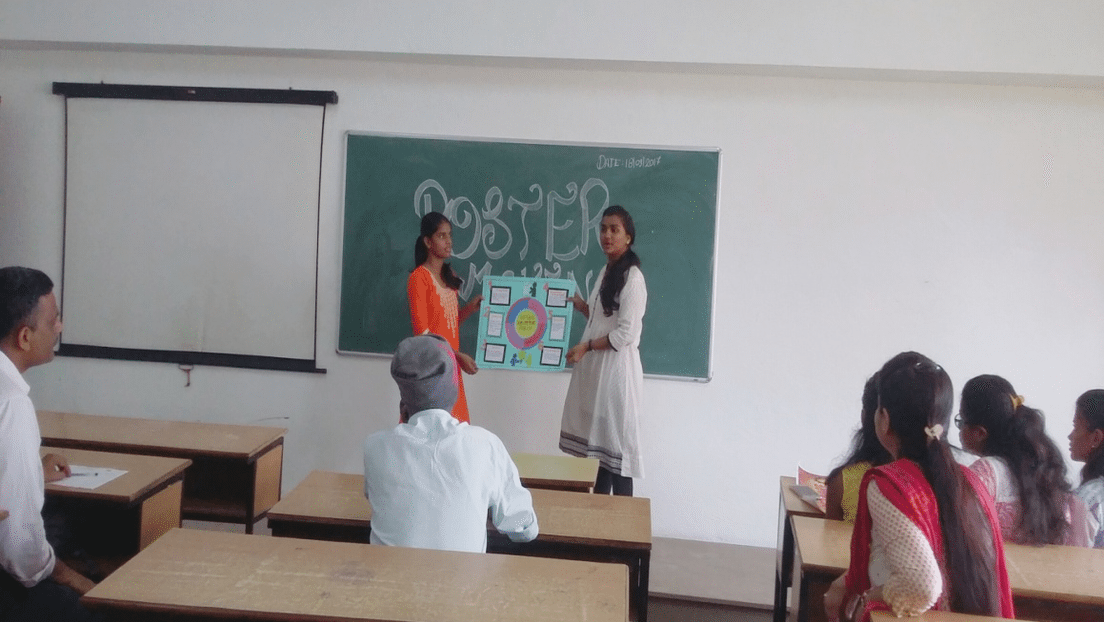
Poster Making Competition (Software Engineering & Testing )
Poster Making Competition aims for the students to use their knowledge, understand and awareness on different fields of software Engineering & testing.Increase the Intelligence in Posters.
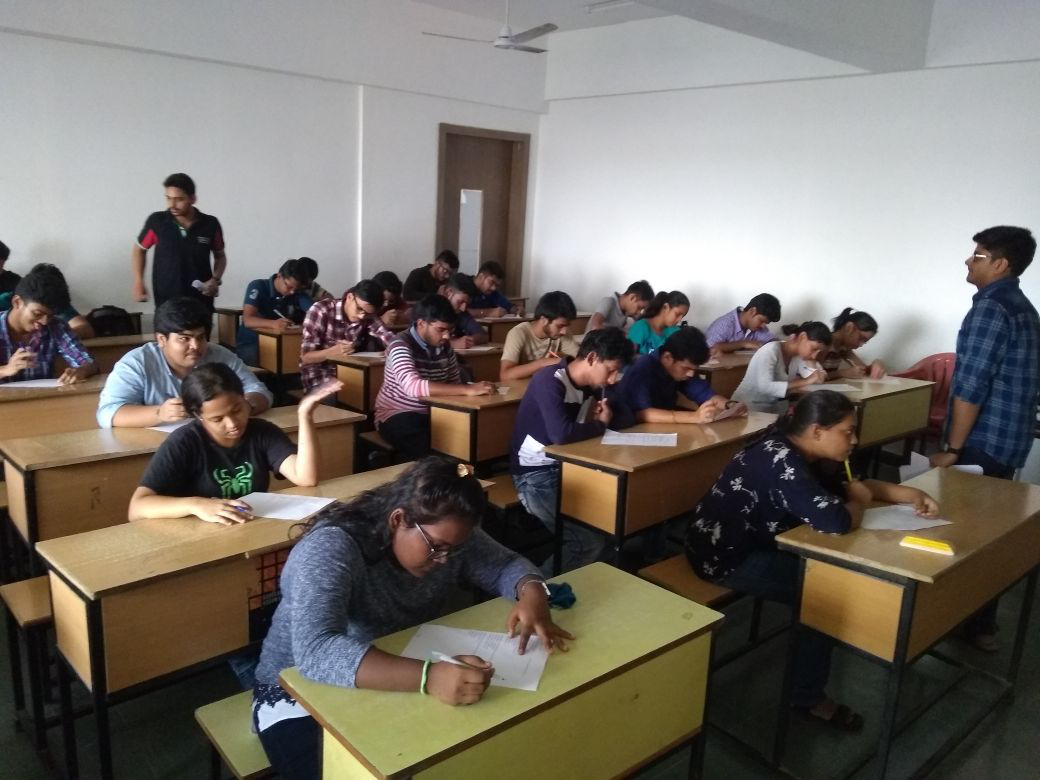
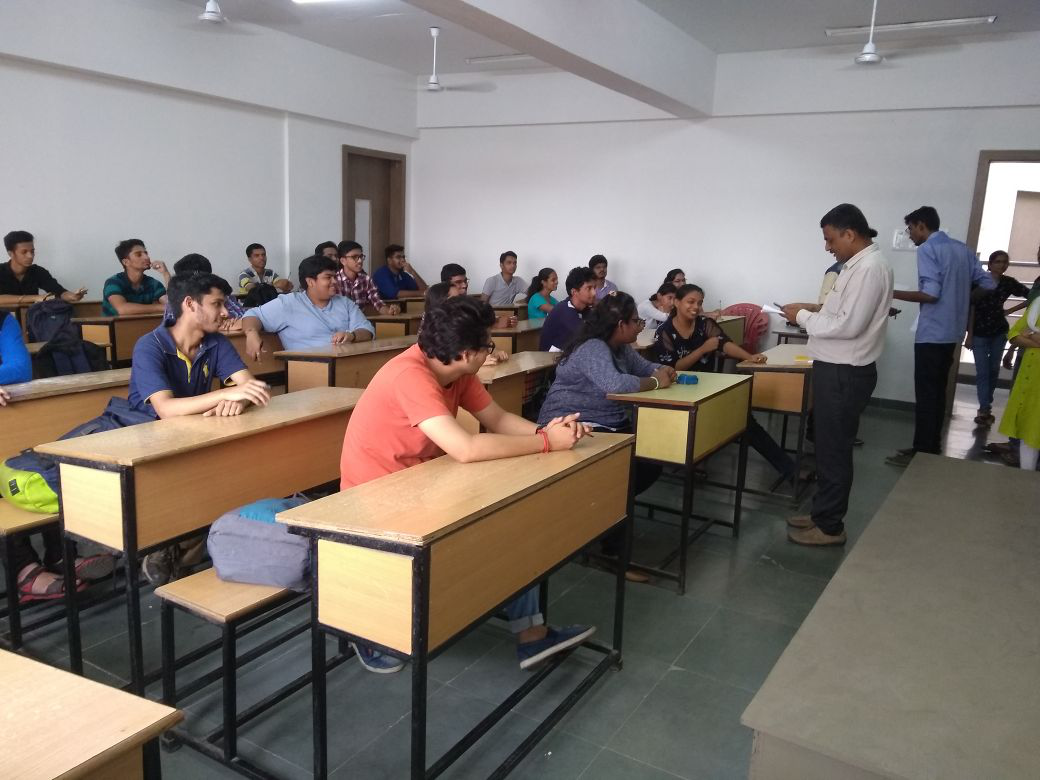
Quiz Event
This Activity helps the students to test their knowledge in various fields e.g. Current Affairs, Friends.
Students are aware about their strength and weakness in their interested field.
This Activity helps the student in various competitions out of the campus
Department Clubs
Newsletter
Magazines
| Date | Notice Descritpion | Link |
|---|---|---|
| 25/02/2025 | Collection of xerox copy of answer paper for Exam Nov/Dec 2024 | Click Here |
| 21/02/2025 | Eye donation Awarness session | Click Here |
| 21/02/2025 | Blood donation camp | Click Here |
| 20/02/2025 | Exam Form Submission and Fee Payment for K.T. Students | Click Here |
| 21/02/2025 | Carry on notice | Click Here |
| 30/09/2024 | Alumni activity notice | Click Here |
Name of Company / Institution
- Overview of Collaboration
- Events
- MoU Link
Name of Company / Institution
- Overview of Collaboration
- Events
- MoU Link
Dr. Kishor T Patil
Email Id: hod.computer@sigce.edu.in
Mobile No.: